The BS Aggregate Crushing Value (ACV) test measures the resistance of aggregates to crushing under gradually applied compressive loads, a critical metric for evaluating material durability in sand and gravel production. High-quality aggregates with low ACV (typically below 30%) ensure longevity in concrete and road construction.
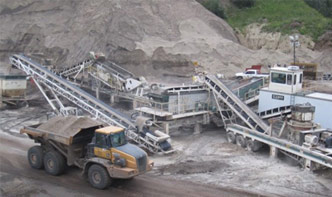
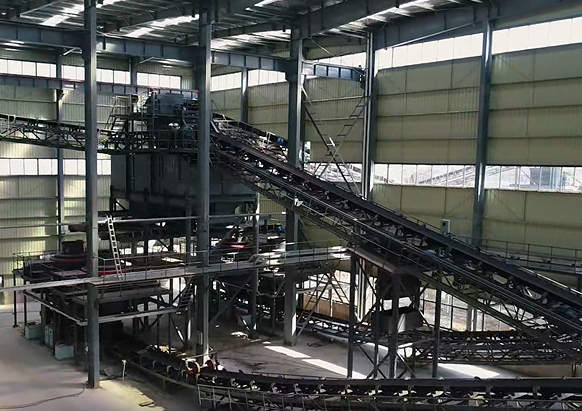
A modern production line integrates:
1. Primary Jaw Crusher (e.g., Feed size: ≤1,200mm, Capacity: 50–800 t/h) – Coarse crushing of raw stone.
2. Secondary Cone Crusher (e.g., Output: 20–300mm, Closed-side setting: 6–38mm) – Precision shaping for mid-size aggregates.
3. Tertiary Impact Crusher/VSI (e.g., RPM: 1,000–1,800, Sand yield: 30–60%) – Produces cubical sand and fine aggregates.
4. Vibrating Screens (e.g., Decks: 2–4 layers, Mesh: 3–100mm) – Classifies materials by particle size.
| Equipment | Key Parameter | Typical Value |
|---|---|---|
| Jaw Crusher | Max Feed Size | ≤1,200mm |
| Cone Crusher | Closed-side Setting | 6–38mm |
| VSI Crusher | Sand Yield Rate | >50% |
Q: How to reduce ACV in finished aggregates?
A: Opt for harder rock sources (e.g., granite/basalt), adjust crusher settings to minimize over-crushing, and use multi-stage screening.
Q: Why is VSI preferred for manufactured sand?
A: Its high-speed rotor creates particle-on-particle impact, producing well-graded, angular sand ideal for concrete mixes.
A