The stroke of a vibrating motor is critical in crushing and sand-making lines, directly impacting material screening efficiency and equipment durability. For circular vibrating screens or feeders, the stroke (S) can be calculated as:
S = (M × e) / (m + M)
Where:
– M = Eccentric mass (kg)
– e = Eccentric distance (mm)
– m = Total mass of vibrating parts (kg)
Typical stroke ranges:
– Heavy-duty screens: 8–12 mm
– Sand classifiers: 4–6 mm
A complete aggregate production line includes:
1. Primary Jaw Crusher (Feed size: ≤1,200mm; Capacity: 50–1,500 t/h)
2. Secondary Cone Crusher (Closed-side setting: 20–50mm)
3. Tertiary Impact Crusher (For shaping; Output fineness: 0–5mm)
4. Vibrating Screen (Layer: 2–4; Mesh size: 3–100mm)
| Equipment | Model | Power (kW) | Capacity (t/h) |
|---|---|---|---|
| Jaw Crusher | PE750×1060 | 110 | 110–320 |
| Cone Crusher | HPT300 | 315 | 180–430 |
| VSI Crusher | B9100SE | 400 | 260–520 |
Q1: How to reduce vibrating screen wear?
A: Maintain proper stroke amplitude and regularly check spring tension.
Q2: Optimal moisture content for screening?
A: Below 5% for dry screening; up to 15% for wet processes.
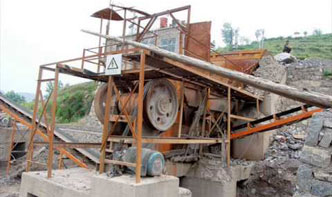
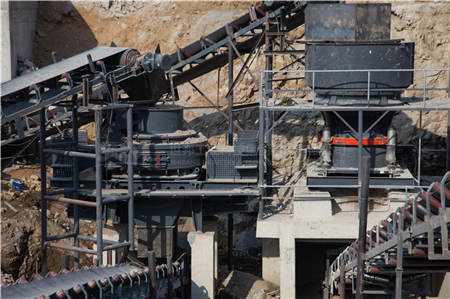
A granite processing plant in Vietnam