Modern cement powder production relies on robust crushing and grinding systems. The core equipment includes jaw crushers, impact crushers, vertical shaft impactors (VSI), and ball mills working in tandem to transform raw materials into high-quality cement powder.
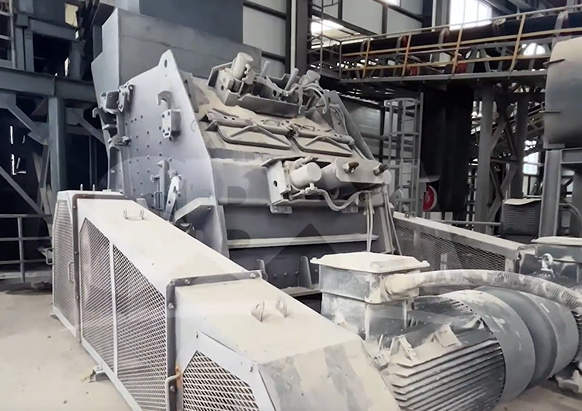
| Equipment | Model Example | Capacity (t/h) | Power (kW) |
|---|---|---|---|
| Primary Jaw Crusher | PE-600×900 | 50-160 | 75 |
| Secondary Impact Crusher | PF-1214 | 70-130 | 132 |
| Tertiary VSI Crusher | VSI-1140 | 100-260 | 250×2 |
| Cement Ball Mill | Φ3.2×13m | 50-65 | 1600 |
A typical configuration progresses from primary crushing → secondary crushing → screening → raw meal grinding → clinker calcination → cement grinding. Modern plants incorporate preheaters and precalciners to improve thermal efficiency up to 85%.
Q: What’s the optimal feed size for cement raw mills?
A: Typically below 25mm after tertiary crushing.
Q: How to reduce energy consumption?
A: Roller presses combined with ball mills can cut power use by 30-50%.
Q: Dust control methods?
A: Bag filters with ≤30mg/Nm³ emission standards are mandatory.
Location: Vietnam
Capacity: 5000t/day
Solution:
• Primary crushing with GZD1100×4200 vibrating feeder + PE750×1060 jaw crusher
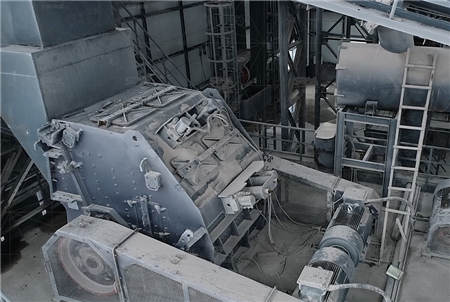
• Secondary stage using two PF1315 impact crushers
• Final shaping with VSI1145 sand makers
Results achieved 98% passing 45μm in final cement product.