Ceramic grinding balls are critical wear-resistant media in ball mills for crushing and grinding hard materials like quartz, granite, and basalt in sand/aggregate plants. With 92% Al₂O₃ content and Mohs hardness ≥8.5, they outperform steel balls in corrosion resistance and lifespan (3-5x longer).
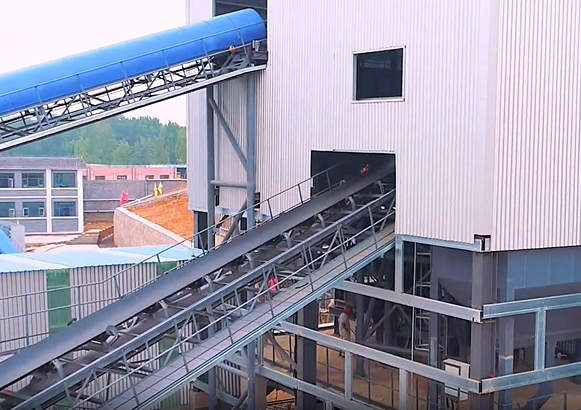
1. Primary Crushing: Jaw Crusher (Feed size ≤1200mm, Output 50-800TPH)
2. Secondary Crushing: Cone Crusher + Vibrating Screen (Closed-circuit)
3. Grinding: Ball Mill with Ceramic Balls (Φ1.5-4.5m, Power 75-450kW)
4. Sand Making: VSI Crusher (Throughput 60-650TPH)
5. Classification: Hydrocyclone + Dewatering Screen
| Parameter | Value |
|---|---|
| Material | High-alumina ceramic |
| Density (g/cm³) | 3.6-3.8 |
| Wear Loss (%) | ≤0.05/24h |
| Available Sizes (mm) | 15-50 |
| Compressive Strength (MPa) | >850 |
Q1: Why choose ceramic over steel balls?
A: Lower contamination, suitable for high-purity quartz processing; 30% energy saving due to reduced weight.
Q2: How to determine ball size?
A: Match feed size – typically 20-30mm for 0-5mm feed; 40-50mm for 10-20mm feed.
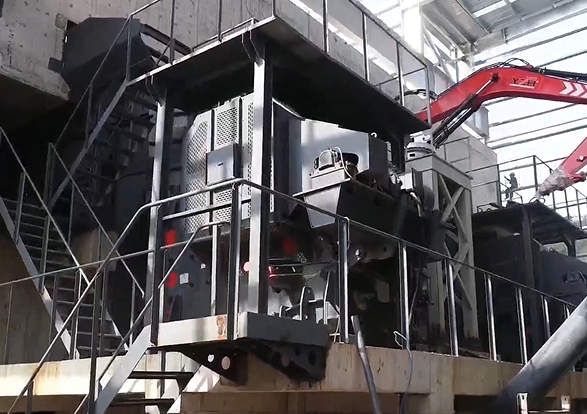
Application: Producing machine-made sand from granite
Equipment: Φ3.2×4.5m ball mill with 35mm ceramic balls