Chromite ore crushing is a critical stage in mineral processing, requiring robust equipment to handle its abrasive nature. The process typically involves primary, secondary, and tertiary crushing stages to achieve the desired particle size for further beneficiation or direct industrial use.
1. Jaw Crusher (Primary Crushing)
– Model: JC120
– Feed Size: ≤750mm
– Capacity: 50-200 t/h
– Power: 75 kW
2. Cone Crusher (Secondary/Tertiary Crushing)
– Model: CC200
– Max Feed Size: 215mm
– Capacity: 60-300 t/h
– Power: 160 kW
3. Vertical Shaft Impact Crusher (Sand Making)
– Model: VSI800
– Feed Size: ≤50mm
– Capacity: 60-400 t/h
– Output Fineness: 0-5mm (adjustable)
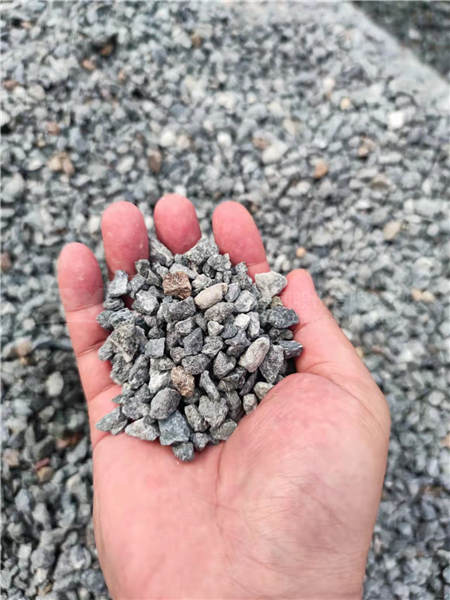
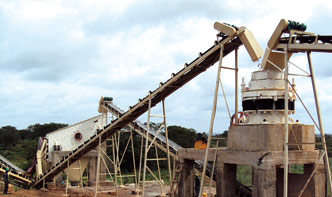
A standard production line includes: vibrating feeder → jaw crusher → cone crusher → vibrating screen → VSI crusher → sand washer → finished product storage. The system ensures high efficiency with minimal dust emission (<20 mg/m³).
Q1: What’s the ideal output size for chromite sand?
A: Typically 0-5mm for foundry or refractory applications.
Q2: How to reduce wear in crushing chromite?
A: Use manganese steel liners and regular maintenance cycles.
Project: South Africa Chromite Plant (2023)
Configuration: JC120 + CC200 + VSI800
Output: 150 t/h of 0-3mm chromite sand for ferrochrome production.