Modern crushing plants integrate primary, secondary, and tertiary crushers with screening systems to produce high-quality aggregates. Key equipment includes:
1. Jaw Crusher: Primary crushing with feed sizes up to 1,500mm and capacity ranges of 50–1,500 TPH.
2. Cone Crusher: Secondary/Tertiary crushing for hard rocks (e.g., granite), offering outputs of 40–1,000 TPH.
3. Impact Crusher: Ideal for softer materials (limestone) and shaping aggregates, producing 0–20mm sand.
4. VSI Crusher: Manufactured sand (M-Sand) production with adjustable fineness modulus (2.2–3.0).
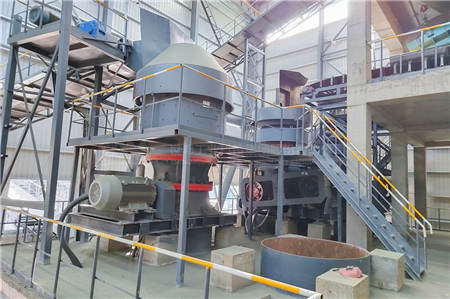
| Equipment | Max Feed Size | Capacity (TPH) | Power (kW) |
|---|---|---|---|
| Jaw Crusher | 1,500mm | 50–1,500 | 55–450 |
| Cone Crusher | 350mm | 40–1,000 | 90–600 |
| VSI Crusher | 50mm | 60–800 | 110–400 |
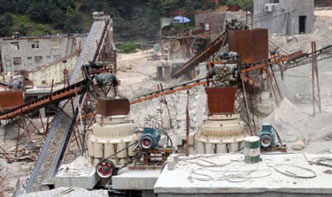
Vibrating screens (3–4 decks) classify aggregates into 0–5mm, 5–20mm, and 20–40mm fractions. Belt conveyors handle material transfer at speeds of 1.0–2.5 m/s.
Q: How to reduce dust in crushing plants?
A: Use water spray systems or install dust suppression enclosures at transfer points.
Q: What’s the lifespan of crusher wear parts?
A: Jaw plates last 3–6 months; cone mantles 4–8 months depending on abrasiveness.