CSS in cone crushers refers to the Closed Side Setting, the smallest gap between the mantle and concave at the bottom of the crushing chamber. This setting directly impacts product size, capacity, and crusher efficiency. A smaller CSS produces finer output, while a larger CSS yields coarser material.
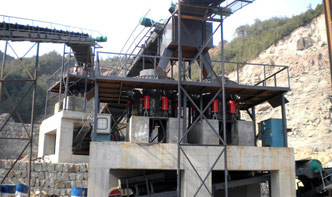
A typical aggregate production line includes:
1. Primary Jaw Crusher: Breaks large rocks (<800mm) into 150–300mm pieces.
2. Secondary Cone Crusher: Further reduces material to 20–50mm (adjustable via CSS).
3. Tertiary Impact Crusher/VSI: Shapes aggregates or produces sand (0–5mm).
4. Vibrating Screens: Classifies materials by size.
| Model | Max Feed (mm) | CSS Range (mm) | Power (kW) |
|---|---|---|---|
| HP200 | 210 | 6–38 | 132 |
| GP300 | 250 | 8–40 | 250 |
| S240 | 235 | 10–50 | 160 |
Q: How often should CSS be checked?
A: Monitor weekly or after 500 operating hours to ensure consistent output.
Q: Can CSS affect energy consumption?
A: Yes. A tighter CSS increases power draw but improves particle shape.
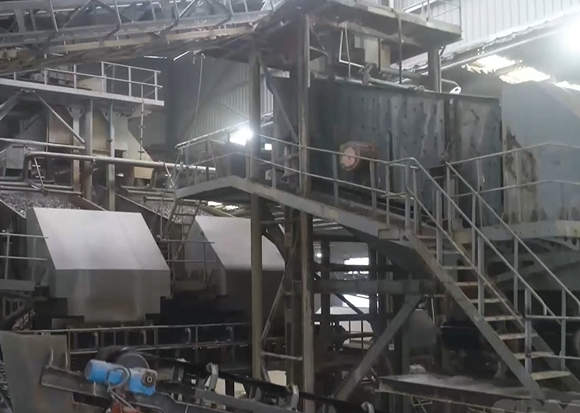
A quarry upgraded to an HP300 cone crusher (CSS=12mm) paired with a VSI crusher, achieving:
– Output: 200 TPH of high-quality sand (0–5mm) and aggregates (5–20mm).
– Application: Ready-mix concrete and road base construction.