Traditional grinding stones, though often replaced by modern equipment, still offer unique benefits in specific sand and aggregate production scenarios. Their slow-speed grinding action produces well-graded particles with minimal microfractures, enhancing concrete strength.
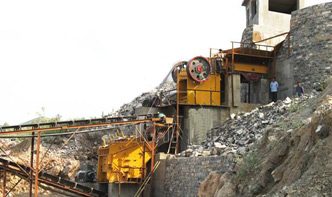
A typical 200TPH granite processing line may include:
– Primary Jaw Crusher (PE600×900)
– Secondary Cone Crusher (PYB1750)
– Traditional Grinding Stone System (φ1500mm)
– VSI Sand Maker (7611 model)
– Vibrating Screens (3YK2160)
| Equipment | Power(kW) | Capacity(t/h) |
|---|---|---|
| Grinding Stone | 45 | 15-20 |
| VSI Crusher | 132 | 50-70 |
Traditional grinding stones excel in:
1. Producing high-quality mechanical sand for prestressed concrete
2. Processing brittle materials like limestone
3. Final shaping of aggregates requiring rounded edges
Q: How does grinding stone compare to vertical shaft impactors?
A: Grinding stones yield better particle shape but lower output (~20% less than VSI).
Q: Maintenance frequency?
A: Stone replacement every 800-1,000 hours for granite processing.
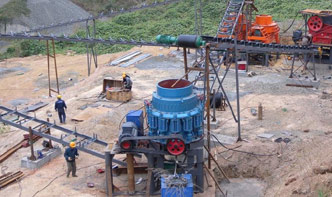
A hybrid system combining jaw crusher + cone crusher + grinding stones achieved:
– Finished product: 0-5mm sand with 3.1 fineness modulus
– Daily output: 1,200 tons
– Energy consumption reduced by 18% vs conventional systems