Cone crushers are critical in aggregate production but often face efficiency issues when processing fine materials (below 5mm). Common problems include material packing, reduced throughput, and premature wear. Modern solutions integrate advanced crushing chambers and automation systems to optimize performance.
A typical sand/aggregate production line for fine material processing includes:
1. Primary Jaw Crusher (e.g., 900×1200mm feed opening)
2. Secondary Cone Crusher with fine chamber (e.g., CSS=10-25mm)
3. Vertical Shaft Impact (VSI) Crusher for shaping
4. High-frequency screening system
| Equipment | Key Parameters |
|---|---|
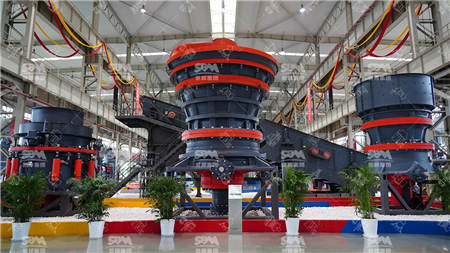
| Cone Crusher | Max feed size: 85-300mm, Power: 90-400kW, CSS range: 6-38mm |
| VSI Crusher | Throughput: 50-500t/h, Rotor speed: 1500-3000rpm |
| Screen | Deck size: 1.8×4.2m to 3×9m, Mesh: 3-50mm |
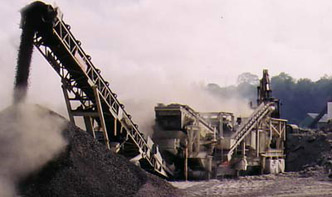
Case Study: A granite processing plant achieved 25% higher yield by:
– Installing hydraulic CSS adjustment on cone crushers
– Implementing multi-stage screening before final crushing
– Using polyurethane screen panels for <3mm material separation
Q: How to prevent cone crusher choking with fines?
A: Maintain proper feed distribution, reduce CSS gradually, and consider pre-screening.
Q: Best wear parts for fine crushing?
A: Manganese steel with 18-22% Mn content for cones, chromium alloy for VSI tips.
Q: Typical production ratio between cone and VSI?
A: For 0-5mm sand, VSI typically produces 60-70% of final output after cone crushing.
– Monitor liner wear every 100 operating hours
– Check hydraulic pressure weekly (should