Proper maintenance of grinding stones is critical for efficient operation in crushing and sand-making production lines. These components directly impact product quality, equipment longevity, and production costs.
1. Regular Inspection: Check for uneven wear patterns every 50 operating hours
2. Balancing: Maintain dynamic balance within 0.02mm tolerance
3. Cleaning: Remove accumulated material deposits after each shift
4. Lubrication: Apply high-temperature grease to bearings every 200 hours
| Parameter | Standard Value | Tolerance |
|---|---|---|
| Diameter | 600-1500mm | ±5mm |
| Hardness | HRC 58-62 | – |
| Max RPM | 850-1200 | – |
| Service Life | 800-1200h | – |
Symptom: Excessive vibration
Causes: Unbalanced stone, bearing wear, improper installation
Solution: Rebalance or replace stone, check bearing condition
Symptom: Reduced output size consistency
Causes: Worn surface, improper gap setting
Solution:</em] Resurface or replace stone, adjust crushing chamber
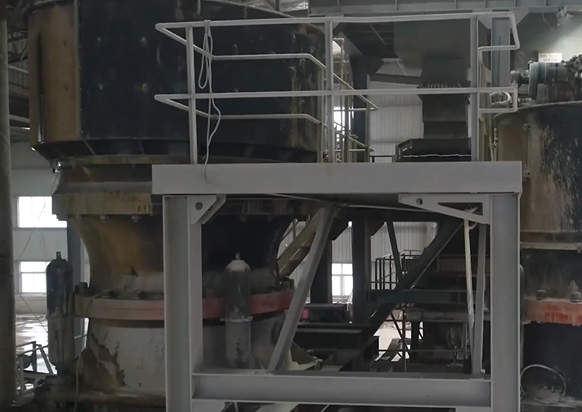
A granite processing plant in Malaysia extended grinding stone life by 40% through:
1. Implementing predictive maintenance schedules
2. Installing vibration monitoring sensors
3. Optimizing feed material gradation
4. Using diamond-tipped dressing tools
Q: How often should grinding stones be replaced?
A: Typically every 800-1200 hours, depending on material hardness and operating conditions.
Q: Can damaged stones be repaired?
A: