South Africa’s mining and construction sectors rely heavily on robust conveyor belt systems for efficient material handling in crushing and sand-making production lines. Leading manufacturers like Fenner Conveyor Belting, Brelko, and Melco provide specialized belts designed to withstand abrasive materials, high loads, and harsh environments.
A typical setup includes:
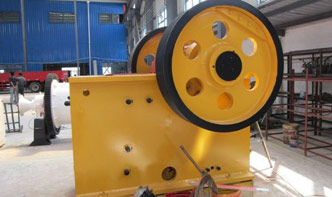
– Primary Crusher: Jaw or gyratory crushers (e.g., 500–1,200 TPH capacity).
– Secondary Crusher: Cone or impact crushers for finer crushing.
– VSI Crusher: For shaping sand (output: 50–300 TPH).
– Vibrating Screens: Multi-deck screens (e.g., 3–5 layers, 10–100 mm mesh).
– Conveyor Belts: Heavy-duty rubber belts with ply ratings of EP400/3 to EP800/4.
| Parameter | Specification |
|---|---|
| Material | Rubber/PVC with abrasion-resistant covers |
| Width | 500–2,000 mm |
| Tensile Strength | 315–3,150 kN/m |
| Temperature Range | -20°C to +120°C |
| Load Capacity | Up to 6,000 TPH |
Q: How to reduce belt wear in abrasive environments?
A: Use reinforced rubber covers (e.g., DIN-Y or AS ratings) and proper cleaning systems.
Q: What’s the lifespan of a conveyor belt in a granite crushing plant?
A: Typically 6–24 months, depending on maintenance and material abrasiveness.
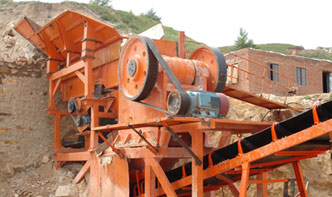
A South African quarry upgraded to a 500 T