The crawler-type stone crusher is a mobile crushing solution designed for rugged terrains and complex projects. Combining mobility with high efficiency, it integrates feeding, crushing, and screening functions, making it ideal for quarrying, mining, and construction waste recycling.
– Mobility: Hydraulic-driven crawler chassis enables 360° movement on-site.
– Crushing Capacity: Processes 50–500 t/h depending on model (e.g., feed size up to 800mm).
– Power: Diesel-electric hybrid options (200–400 kW).
– Output: Produces 0–40mm adjustable aggregates for concrete/asphalt.
| Model | Feed Size (mm) | Capacity (t/h) | Power (kW) |
|---|---|---|---|
| Crawler-JC100 | 650 | 150–300 | 250 |
| Crawler-JC200 | 800 | 300–500 | 400 |
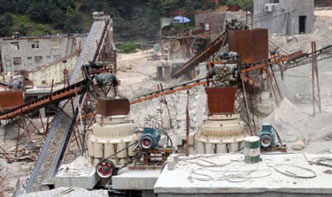
A typical sand/gravel production line includes:
1. Primary Crushing: Jaw crusher (crawler-type) for coarse reduction.
2. Secondary/Tertiary Crushing: Cone/impact crushers for finer aggregates.
3. Screening: Multi-layer vibratory screens classify output sizes.
4. Conveying & Storage: Belt conveyors transport materials to stockpiles.
Q: How does a crawler crusher compare to wheeled models?
A: Crawlers excel on uneven terrain but have lower travel speed (~1 km/h).
Q: What maintenance is required?
A: Daily checks on tracks, lubrication; monthly engine/filter inspections.
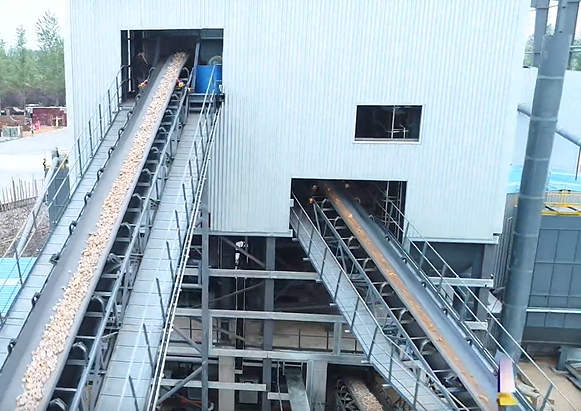
Project: Highway construction in Vietnam (2023)
Solution: Deployed 2× Crawler-JC200 units to process basalt, achieving 450 t/h output with ≤5% over-size particles.