Accurate aggregate gradation calculation is critical for optimizing crusher performance in sand and stone production lines. Modern crushing plants utilize multi-stage crushing (jaw crusher + cone crusher + VSI) to achieve precise particle size distribution.
| Equipment | Model Example | Key Parameters |
|---|---|---|
| Primary Jaw Crusher | PE750×1060 | Feed opening: 750×1060mm, Capacity: 110-320t/h |
| Secondary Cone Crusher | HPT300 | Max feed size: 240mm, Discharge range: 6-51mm |
| Tertiary VSI Crusher | VSI1140 | Throughput: 200-380t/h, Product shape: Cubic |
| Vibrating Screen | 3YK3072 | Screening area: 21m², Layers: 3 |
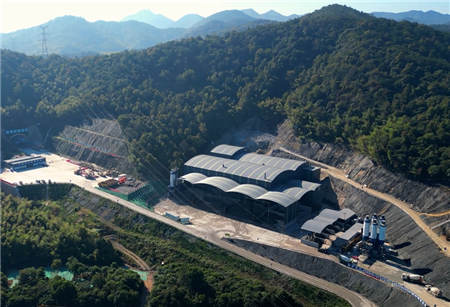
1. Closed-circuit crushing with return feed system
2. Adjustable crusher discharge settings
3. Multi-deck screening with precision mesh selection
4. Real-time particle size monitoring
Q: How to calculate optimal gradation curve?
A: Use ASTM C136 sieve analysis combined with crusher manufacturer’s gradation charts.
Q: What’s the ideal fines content (<0.075mm)?
A: Typically 5-15% depending on application (asphalt/concrete requirements differ).
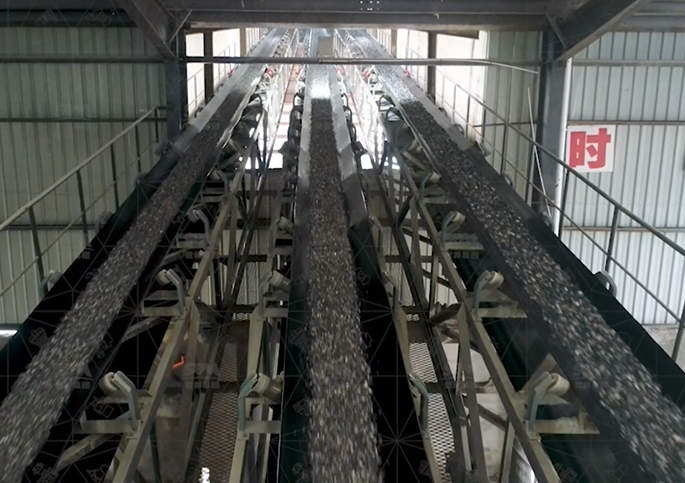
A granite processing plant in Malaysia achieved 0-5mm (38%), 5-10mm (25%), and 10-20mm (37%) gradation by implementing:
1. Primary crushing with C6X160 jaw crusher
2. Secondary crushing with HST315 cone crusher
3. Final shaping with VSI5X1145 impact crusher
The production line maintains ±3% gradation tolerance through