Argillite, a dense sedimentary rock, requires specialized crushing and screening equipment for efficient removal and processing into high-quality aggregates. A well-designed production line ensures optimal output for construction, road base, or concrete applications.
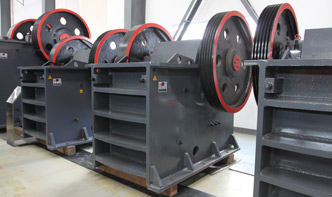
1. Primary Jaw Crusher: Breaks large argillite blocks (≤1200mm) into smaller pieces (150–300mm). Example model: JC5460 with 350–800 TPH capacity.
2. Secondary Cone Crusher: Fine-crushing to 20–50mm. Recommended: HPT500 multi-cylinder hydraulic cone crusher (450 TPH).
3. Tertiary Impact Crusher: Produces 0–20mm cubical sand. Model: CV218 VSI crusher with 40–200μm fineness control.
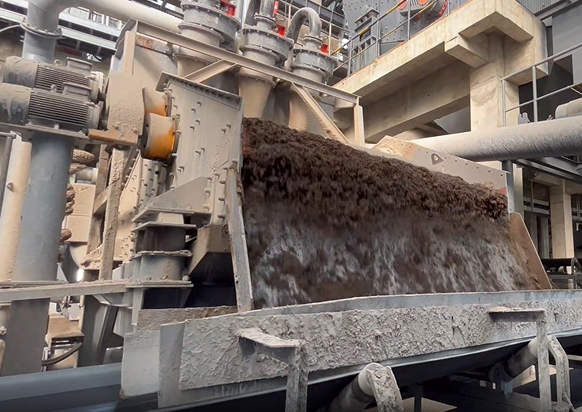
4. Vibrating Screens: Multi-deck screens (e.g., 3YK3070) classify materials into 0–5mm, 5–10mm, and 10–20mm fractions.
| Equipment | Model | Capacity (TPH) | Output Size |
|---|---|---|---|
| Jaw Crusher | JC5460 | 350-800 | 150-300mm |
| Cone Crusher | HPT500 | 450 | 20-50mm |
| VSI Crusher | CV218 | 200-400 | 0-20mm |
A typical layout includes: Primary crushing → Secondary crushing → Screening → Tertiary shaping → Sand washing (if needed). Moisture-rich argillite may require pre-drying to prevent clogging.
Q1: How to reduce argillite’s high wear on crushers?
*A: Use tungsten carbide liners and adjust crushing chamber geometry.*
Q2: Can argillite sand replace natural sand?
*A: Yes,