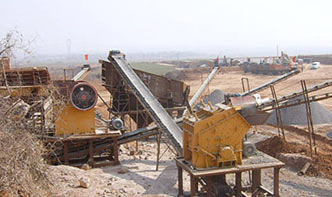
A modern stone crushing plant transforms raw rock into high-quality ballast for railway, construction, and infrastructure projects. The process involves primary crushing, secondary shaping, screening, and sometimes sand-making stages.
The core equipment includes:
1. Primary Jaw Crusher:
– Model example: PE600×900
– Feed opening: 600×900mm
– Capacity: 50-160 t/h
2. Secondary Cone Crusher:
– Model example: HPT300
– Max feed size: 240mm
– Capacity: 120-400 t/h
3. Vibrating Screen:
– Model example: 3YK2160
– Screen layers: 3
– Processing capacity: 150-500 t/h
Railway ballast typically requires:
– Particle size: 25-63mm
– Flakiness index: ≤20%
– Los Angeles abrasion: ≤20%
Q1: What’s the ideal moisture content for crushed stone?
A: Below 3% to prevent clogging during screening.
Q2: How to reduce needle-shaped particles?
A: Use cone crushers instead of impact crushers for secondary crushing.
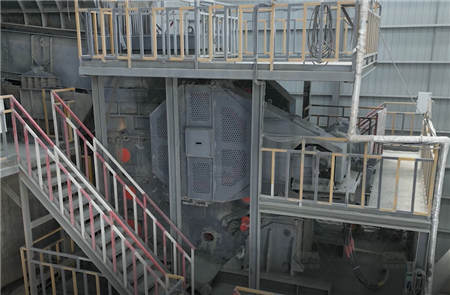
Sichuan Railway Ballast Project (2023):
– Raw material: Granite
– Configuration: PE750×1060 jaw crusher + HST315 cone crusher + 4YK3072 screen
– Output: 350 t/h of grade-A ballast meeting China Railway TB/T2140 standard
This configuration achieved 98% passing rate with only 15% flakiness content, significantly outperforming traditional hammer crusher solutions.