Quartz silica sand and conventional sand differ primarily in composition, purity, and industrial applications. Quartz silica sand contains over 95% SiO₂, offering high chemical stability and thermal resistance, while conventional sand has lower SiO₂ content (70–90%) with impurities like clay or iron oxides.
A tailored production line for quartz silica sand includes:
1. Primary Jaw Crusher: Breaks large quartz rocks (<600mm) into 50–100mm pieces.
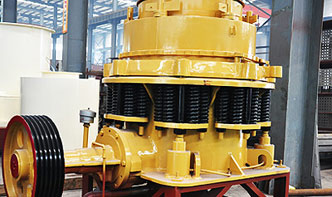
2. Cone Crusher: Secondary crushing to 10–30mm particles.
3. Sand Maker (VSI Crusher): Produces 0–5mm high-purity sand with cubic grain shape.
4. Vibrating Screen & Sand Washer: Removes impurities and controls gradation.
| Equipment | Model | Capacity (t/h) | Power (kW) |
|---|---|---|---|
| Jaw Crusher | PE600×900 | 50–120 | 75 |
| Cone Crusher | HPT300 | 100–200 | 220 |
| VSI Sand Maker | S8-1145 | 60–180 | 250×2 |
| Screw Washer | LX915 | 50–100 | 11 |
Quartz silica sand is widely used in glass manufacturing, electronics (silicon wafers), and high-strength concrete due to its uniform particle size and low impurity content.
Processed quartz sand retains <5% moisture post-washing.
Yes, but wear-resistant liners must be upgraded for granite’s higher hardness.
<h