The limestone processing flowchart typically includes crushing, screening, grinding, and classification stages. Key equipment includes jaw crushers, impact crushers, cone crushers, vibrating screens, and sand makers. The process transforms raw limestone into construction-grade aggregates (0-5mm, 5-10mm, 10-20mm) or manufactured sand (<4.75mm).
| Equipment | Model | Capacity (t/h) | Power (kW) |
|---|---|---|---|
| Jaw Crusher | PE600×900 | 50-120 | 75 |
| Cone Crusher | HPT300 | 100-260 | 315 |
| Vertical Shaft Impact Crusher | VSI1140 | 120-180 | 250×2 |
| Vibrating Screen | 3YK3070 | 80-150 | 30×2 |
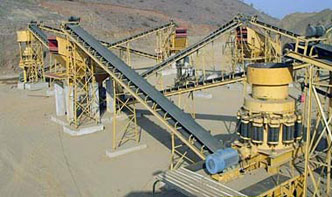
A typical 200tph limestone sand production line might include:
1. Primary crushing: Vibrating feeder + Jaw crusher
2. Secondary crushing: Cone crusher + Circular vibrating screen
3. Tertiary shaping: VSI crusher + Fine sand recovery system
4. Finished product storage: Conveyor system + Silos
Q: What’s the ideal feed size for limestone crushing?
A: For primary jaw crushers, ≤500mm is recommended to prevent blockages.
Q: How to control powder content in manufactured sand?
A: Use wet processing with screw classifiers or dry processing with air separators (target: <10%).
Q: Typical equipment lifespan?
A: Wear parts like crusher liners last 3-6 months; screens 6-12 months with proper maintenance.
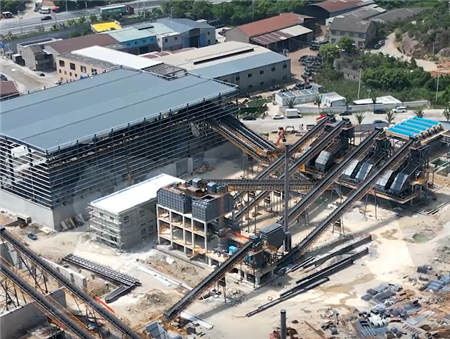
Location: Vietnam | Capacity: 300tph | Final Products:
–