Stone quarry operations involve significant risks, including equipment hazards, dust exposure, and structural instability. Implementing robust safety protocols is essential to protect workers and ensure efficient production. Key measures include:
– Personal Protective Equipment (PPE): Helmets, gloves, respirators, and high-visibility vests.
– Dust Control: Water sprays and enclosed crushing systems reduce silica dust.
– Slope Stability: Regular geotechnical assessments to prevent landslides.
Modern stone processing lines integrate advanced machinery for high efficiency and safety. Core equipment includes:
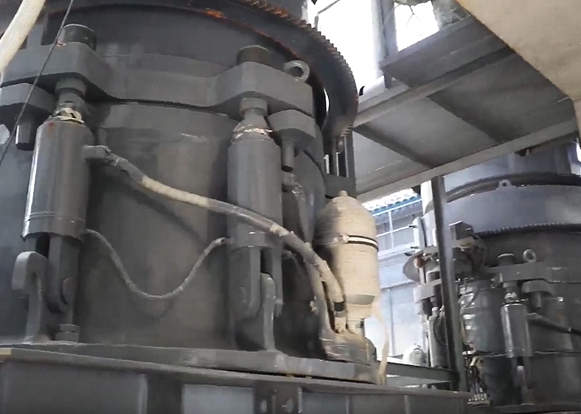
1. Primary Jaw Crusher: Breaks large rocks into smaller fragments (e.g., feed size: ≤1,200mm; output: 200–800 t/h).
2. Secondary Cone Crusher: Further reduces material size (e.g., capacity: 50–1,000 t/h; discharge size: 3–60mm).
3. Vertical Shaft Impact Crusher (VSI): Produces high-quality sand (e.g., input size: ≤50mm; output: 30–500 t/h).
4. Vibrating Screens: Segregates particles by size (e.g., mesh size: 3–100mm).
| Equipment | Key Parameters |
|---|---|
| Jaw Crusher | Feed: ≤1,200mm; Output: 200–800 t/h |
| Cone Crusher | Capacity: 50–1,000 t/h; Discharge: 3–60mm |
| VSI Crusher | Input: ≤50mm; Output: 30–500 t/h |
Q1: How to minimize dust in quarries?
A: Use water suppression systems and enclosed conveyors.
Q2: What maintenance ensures crusher longevity?
A: Regular lubrication, wear-part inspections, and alignment checks.
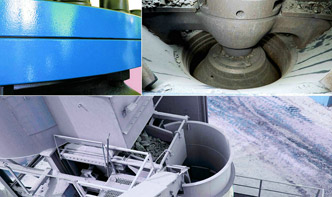
A granite quarry in Texas upgraded to a fully automated crushing line with VSI crushers, achieving:
– Output Increase: From 300 t/h to 450