A slag granulation plant processes molten slag (typically from steelmaking or blast furnaces) into granular materials for reuse in construction, cement production, or road bases. The core function involves rapid cooling and solidification of slag using water or air, followed by crushing and screening to produce graded aggregates.
1. Granulation System: High-pressure water jets atomize molten slag into fine particles (<5mm).
2. Crusher: Jaw crushers (e.g., feed size: ≤750mm, capacity: 50–800t/h) or impact crushers reduce larger chunks.
3. Sand Maker: Vertical shaft impactors (VSI) produce cubical sand (0–5mm) with adjustable fineness modulus (2.6–3.0).
4. Vibrating Screen: Multi-deck screens (e.g., 2YK3070, capacity: 100–400t/h) classify granules into 0–5mm, 5–10mm, and 10–20mm fractions.
| Equipment | Model Example | Key Parameters |
|---|---|---|
| Jaw Crusher | PE600×900 | Feed: 500mm; Output: 50–160t/h |
| VSI Crusher | S8-1145 | Max feed: 50mm; Sand yield: 60–280t/h |
| Screening Machine | 3YK2160 | Screen area: 6m²; Layers: 3 |
Q1: What’s the moisture content after granulation?
A1: Typically <10%, requiring drying for cement applications.
Q2: Can slag sand replace natural sand?
A2: Yes, with comparable compressive strength (>35MPa) and lower chloride content.
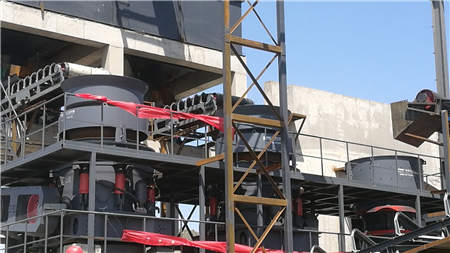
Project: A steel mill in India installed a 200t/h slag granulation line with V