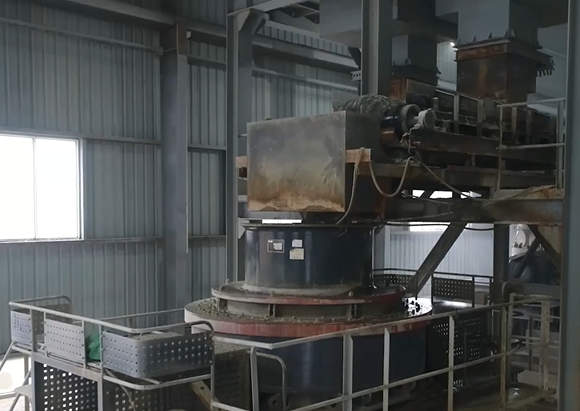
The cement ball mill is a critical component in grinding raw materials and clinker for cement production. Its robust design ensures efficient particle size reduction through impact and attrition, with typical feed sizes of 25mm and output fineness of 300-500m²/kg (Blaine). Key parameters include:
| Parameter | Value Range |
|—————–|———————-|
| Diameter | 1.8–4.2m |
| Length | 4.5–14m |
| Capacity | 10–150 t/h |
| Motor Power | 500–5000 kW |
Modern sand/aggregate lines combine jaw crushers (e.g., 600×900mm inlet), cone crushers (HP300), and VSI sand makers (50-400 t/h) with ball mills for graded output (0-5mm, 5-20mm). Dust suppression systems and multi-stage screening ensure compliance with ISO 14688 standards.
Q: How to reduce ball mill energy consumption?
A: Optimize grinding media gradation (Φ30–Φ100mm steel balls) and maintain ≤25% material filling rate.
Q: Typical wear parts replacement cycle?
A: Liners last 6–12 months; grinding balls require quarterly replenishment at 0.8–1.2kg/ton cement.
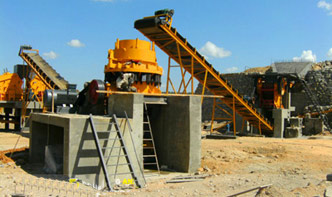
Vietnam Limestone Plant: Configured with Φ3.8×13m ball mill + SEPAX separator, achieving 4500cm²/g fineness at 90t/h output. System includes belt conveyor (B1000×15m) and pulse dust collector (MC300).