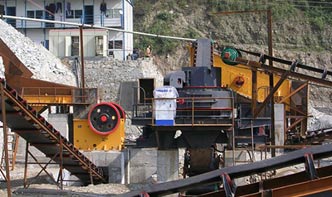
Granite crushing requires robust machinery to transform raw blocks into high-quality aggregates. Leading companies offer jaw crushers, cone crushers, and vertical shaft impactors (VSI) tailored for granite’s hardness (Mohs 6-7). A typical production line includes:
1. Primary Crushing: Jaw Crusher (e.g., Feed size: ≤1200mm, Capacity: 50-800TPH)
2. Secondary Crushing: Cone Crusher (e.g., Closed-side setting: 10-50mm, Output: 20-300TPH)
3. Tertiary Shaping: VSI Crusher (e.g., Max feed size: 50mm, Product shape: Cubical)
| Equipment | Model | Power (kW) | Output Size (mm) |
|---|---|---|---|
| Jaw Crusher | PE750×1060 | 110 | 80-180 |
| Cone Crusher | HPT300 | 315 | 5-50 |
| VSI Crusher | S8-1145 | 250×2 | 0-5 (Sand) |
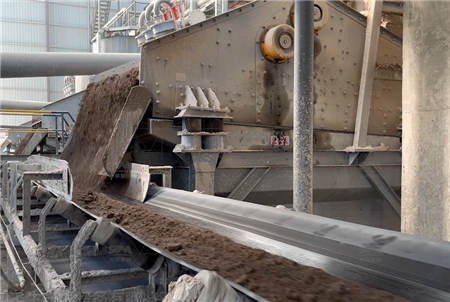
Multi-deck vibrating screens classify aggregates into 0-5mm (sand), 5-20mm, and 20-40mm grades. Sand washers remove impurities (<3% mud content).
Q1: How to reduce dust in granite crushing?
A: Use wet suppression systems or sealed conveyor belts.
Q2: What’s the lifespan of crusher wear parts?
A: Manganese steel jaws last ~200,000 tons; cone mantles ~150,000 tons.
– Capacity: 500TPH
–