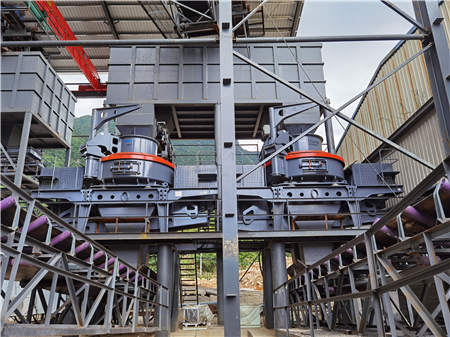
Japan’s portable crushing plants are renowned for their precision engineering, durability, and adaptability. Designed for quarrying, mining, and recycling applications, these plants integrate advanced technology to deliver high-performance crushing and screening in a compact footprint.
A typical Japanese-made portable crushing plant includes:
– Primary Crusher: Jaw crusher (e.g., Nakayama NC320GXC) with a feed opening of 1,070 x 750 mm and capacity up to 300 t/h.
– Secondary Crusher: Cone crusher (e.g., BR550JG-1) with closed-side settings adjustable from 20–50 mm.
– Screen Unit: Multi-deck vibrating screen (e.g., VR408) for precise grading of aggregates (0–5mm, 5–20mm, etc.).
– Power Source: Hybrid or diesel-electric options (e.g., Yanmar 4-stroke engines) ensuring fuel efficiency (~15–20 L/h).
– Mobility: Track-mounted or wheel-based designs enable rapid relocation (<30 mins setup time).
– Automation: PLC-controlled systems optimize production and reduce manual intervention.
– Eco-Friendly: Low noise (<70 dB) and dust suppression systems comply with ISO 14001 standards.
| Model | Capacity (t/h) | Max Feed Size (mm) | Power (kW) | Weight (tons) |
|—————-|—————|——————–|————|————–|
| Nakayama NC320GXC | 250–300 | 650 | 160 | 48 |
| BR550JG-1 | 200–250 | 500 | 228 | 52 |
Q: What’s the lifespan of wear parts?
A: Manganese jaws/cones last ~1,500–2,000 hours under normal conditions.
Q: Can it process recycled concrete?
A: Yes, with optional magnetic separators and water spray systems.
A project in Hokkaido utilized a Nakayama plant to produce 400