Crushing and sand-making production lines rely heavily on grinding machines to process raw materials into high-quality aggregates. Key components include:
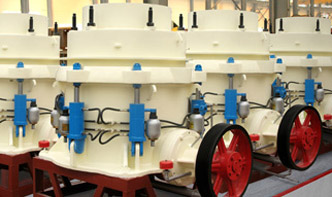
1. Rotor: The core crushing element, typically made of high-chromium alloy (e.g., Cr26Mo with 58-62 HRC hardness).
2. Impact Plates: Replaceable wear parts with 400-500 Brinell hardness.
3. Feeding System: Controlled by frequency converters (typically 0-50Hz adjustable).
4. Drive Motor: Ranges from 75kW to 400kW depending on capacity.
| Model | Max Feed Size (mm) | Capacity (t/h) | Power (kW) | Weight (t) |
|——-|——————–|—————-|————|————|
| PF-1210 | 350 | 70-130 | 110 | 14.5 |
| PF-1315 | 500 | 120-250 | 200 | 19.2 |
| VSI-1140 | 45 | 150-380 | 250×2 | 23 |
Q: How often should impact plates be replaced?
A: Typically every 800-1,200 operating hours, depending on material abrasiveness.
Q: What’s the recommended maintenance interval?
A: Lubrication every 8 hours, full inspection every 200 hours.
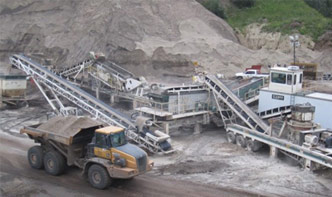
Project: Granite aggregate plant in Malaysia
Equipment: VSI-1140 sand maker ×3 units
Output: Achieved 950tph production of ASTM C33 compliant sand
Key Solution: Implemented cascade crushing with jaw crusher → cone crusher → VSI configuration, reducing wear part costs by 35% compared to traditional setups.
The proper selection and maintenance of grinding machine components directly determine production efficiency and product quality in aggregate processing lines. Operators should pay special attention to rotor balance maintenance and wear part monitoring for optimal performance.