Selecting the right stone crusher size is critical for optimizing crushing efficiency and final product quality. The determination depends on feed size, required output size, capacity, and material hardness. Primary crushers (e.g., jaw crushers) handle large rocks (>1m), while secondary/tertiary crushers (cone/impact crushers) process smaller feed (≤300mm) to finer aggregates (≤40mm).
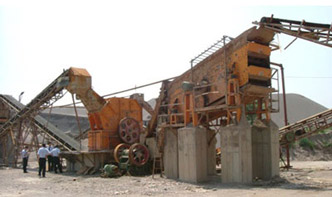
A typical aggregate production line includes:
1. Primary Crusher: Jaw Crusher (Feed: ≤1500mm, Output: 150–300mm)
2. Secondary Crusher: Cone Crusher (Feed: ≤300mm, Output: 20–60mm)
3. Tertiary Crusher: Vertical Shaft Impact (VSI) Crusher (Feed: ≤50mm, Output: 0–5mm sand)
4. Screening: Vibrating Screens (Mesh: 3–100mm)
| Equipment | Model Example | Capacity (t/h) | Power (kW) |
|---|---|---|---|
| Jaw Crusher | PE-600×900 | 50–160 | 75 |
| Cone Crusher | HPT300 | 120–400 | 315 |
| VSI Crusher | S8-1145 | 200–500 | (2×250) |
Q1: How to reduce crusher wear?
A: Use tungsten carbide liners, maintain proper feed size (<80% of crusher inlet), and avoid overloading.
Q2: Why is my sand gradation uneven?
A: Check VSI rotor speed (+10% adjusts fineness) and screen mesh clogging.
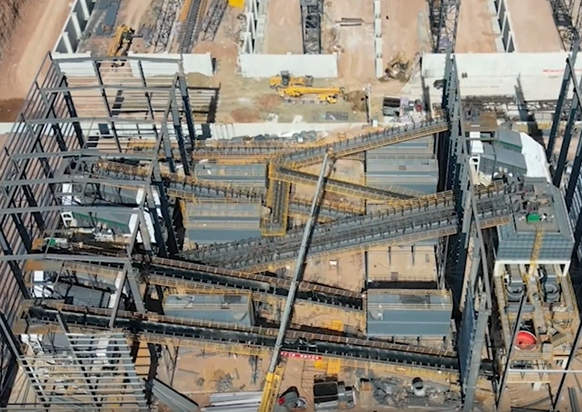
– Configuration: PE750×1060 Jaw + HST315