A sand and gravel dredge pump is essential for extracting and transporting materials in mining, construction, and river dredging projects. Here’s a step-by-step guide to building one:
1. Select the Pump Type: Choose a heavy-duty centrifugal pump designed for abrasive slurries. Key features include high-chrome alloy impellers and wear-resistant liners.
2. Power Source: Diesel engines or electric motors (typically 50–500 HP) are common, depending on mobility and power availability.
3. Suction & Discharge Setup: Use reinforced rubber or steel pipes (4–12 inches in diameter) to handle high-pressure slurry flow.
4. Support Structure: Build a floating pontoon or fixed frame to stabilize the pump in water or on land.
| Parameter | Specification |
|---|---|
| Flow Rate | 100–2000 m³/h |
| Head | 10–60 m |
| Max Particle Size | 50–100 mm |
| Material | High-chrome alloy/Cast iron |
| Power | 50–500 HP |
Q: How to reduce wear in dredge pumps?
A: Use replaceable liners, maintain proper slurry density (<70% solids), and avoid running dry.
Q: What’s the lifespan of a dredge pump?
A: 6–24 months, depending on material abrasiveness and maintenance.
A river dredging project in Vietnam utilized a 12-inch dredge pump (200 HP) to extract 500 m³/h of sand, achieving 90% efficiency with minimal downtime due to modular wear parts replacement.
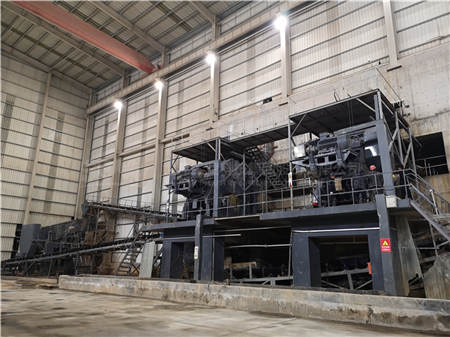
For optimal performance, pair the pump with vibrating screens and hydrocyclones in a complete sand processing line.