Torque calculation is critical for selecting motors and designing roller crushers in sand/aggregate production lines. The formula is:
Torque (T) = Force (F) × Roller Radius (R)
Where:
– F = Material crushing force (determined by hardness, feed size, and compression ratio)
– R = Effective roller radius
For example, a double-roller crusher processing granite (compressive strength 150 MPa) with a roller diameter of 800 mm and crushing force of 200 kN requires:
T = 200 kN × 0.4 m = 80 kNm.
A typical line includes:
1. Primary Jaw Crusher: Handles large feed (≤1200 mm), outputs 150–300 mm.
2. Secondary Cone/Roller Crusher: Reduces material to ≤50 mm.
3. Tertiary Impact Crusher/VSI: Produces 0–5mm sand with high cubicity.
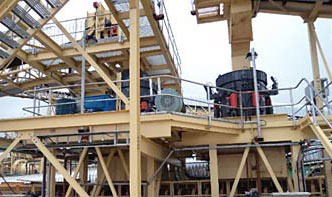
| Equipment | Model Example | Power (kW) | Max Feed (mm) |
|---|---|---|---|
| Jaw Crusher | PE750×1060 | 110 | 630 |
| Cone Crusher | HPT300 | 315 | 240 |
| VSI Crusher | S8-1145 | 250×2 | 50 |
Q1: How to reduce roller wear?
A: Use tungsten carbide sleeves and adjust gap periodically.
Q2: Why is output sand flaky?
A: Check VSI rotor speed (>50 m/s recommended) or replace worn anvils.
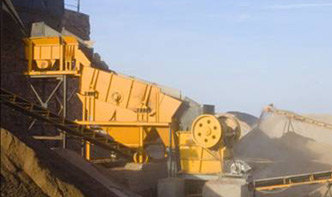
A Malaysian granite plant achieved 250 TPH output using: Primary jaw crusher → Hydraulic cone crusher → VSI + screening. Final product: 0–5mm (40%),