A home rock crusher can be a practical solution for small-scale aggregate production. Below is a simplified guide to assembling a DIY jaw crusher, along with key considerations for efficient operation.
1. Frame: Use heavy-duty steel (e.g., 10mm thick) to withstand vibrations.
2. Jaw Plates: Hardened manganese steel (Mn18Cr2) for durability. Adjustable gap settings (10–50mm) control output size.
3. Eccentric Shaft: A rotating shaft (Ø50mm) drives the movable jaw.
4. Motor: A 5–10HP electric motor (or gasoline engine) powers the system.
| Parameter | Value |
|—————–|———————|
| Feed Size | ≤200mm |
| Output Size | 10–50mm (adjustable)|
| Capacity | 0.5–3 TPH |
| Power | 5–10HP |
– Pre-screen rocks to avoid oversized material.
– Lubricate bearings regularly to reduce wear.
– Monitor jaw plate gaps for consistent output.
Q: Can it crush granite or basalt?
A: Yes, but ensure jaw plates are high-grade manganese steel.
Q: How to reduce dust?
A: Add water spray or enclose the crushing chamber.
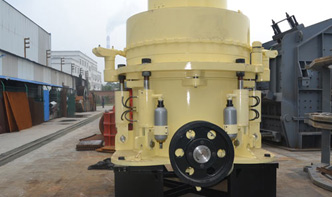
A DIY crusher in Oregon processed river gravel into 20mm aggregate for landscaping, achieving ~2 TPH with a 7HP motor and minimal maintenance.
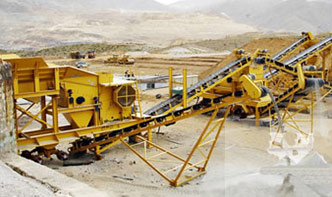
Note: For larger projects, commercial crushers like cone or impact crushers are recommended for higher efficiency and automation.