Proper gap adjustment is critical for optimizing jaw crusher performance. The gap, or closed-side setting (CSS), determines the output size and capacity. Here’s a step-by-step guide:
1. Shut Down & Lock Out: Ensure the crusher is powered off and locked out for safety.
2. Measure Current Gap: Use lead or plastic gauges to check the existing CSS between the fixed and movable jaws.
3. Adjust Mechanism: For most jaw crushers (e.g., C120, CJ615), turn the hydraulic toggle tension rod or manual shim plates to modify the gap.
4. Verify Settings: Re-measure after adjustment; typical CSS ranges are 20–150 mm for primary crushing and 5–50 mm for secondary.
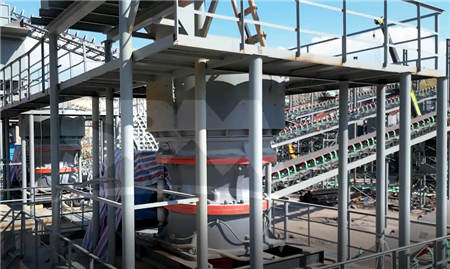
A complete sand/aggregate line includes:
– Primary Jaw Crusher: Processes large rocks (e.g., PE600×900, feed size ≤500 mm).
– Secondary Cone Crusher: Fine crushing (e.g., HP300, CSS 6–38 mm).
– VSI Crusher: Shape optimization (<45 mm feed).
– Vibrating Screens: Multi-deck screens (e.g., 3YK3070, 3 layers).
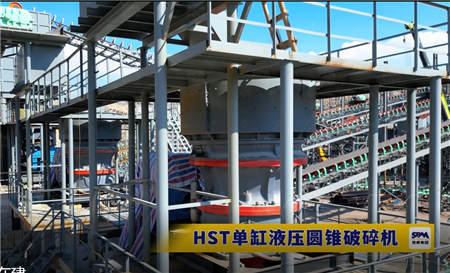
| Model | Feed Size (mm) | CSS Range (mm) | Capacity (t/h) | Power (kW) |
|—————|—————-|—————-|—————-|————|
| PE600×900 | ≤500 | 65–160 | 50–160 | 75 |
| CJ615 | ≤1070 | 70–200 | 240–580 | 200 |
| HP300 | ≤230 | 6–38 | 120–580 | 220 |
Q: How often should I check the jaw crusher gap?
A: Inspect every 8 hours or after processing abrasive materials.
Q: What causes uneven wear on jaw plates?
A: Misaligned feed or incorrect CSS; ensure uniform material distribution.