Modern aggregate production lines rely on high-efficiency industrial speed grinding machines to process raw materials like granite, basalt, and limestone into high-quality sand and gravel. These machines are engineered for precision, durability, and low operational costs, making them ideal for large-scale construction projects.
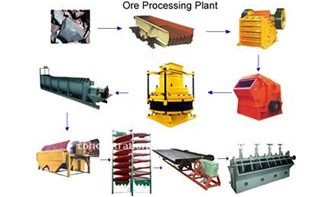
A typical production line includes:
1. Primary Jaw Crusher: Coarse crushing (Feed size: ≤1,200mm; Capacity: 50–1,500t/h).
2. Industrial Speed Grinder: Fine grinding (Motor power: 160–400kW; Output: 30–200t/h).
3. VSI Sand Maker: Shaping (Max. feed size: 50mm; Finished sand modulus: 2.6–3.0).
4. Vibrating Screen: Grading (Layers: 2–4; Screening efficiency: ≥90%).
| Model | Power (kW) | Max. Feed Size (mm) | Output (t/h) |
|---|---|---|---|
| GSM-160 | 160 | 35 | 30–60 |
| GSM-250 | 250 | 40 | 80–120 |
| GSM-400 | 400 | 50 | 150–200 |
Q1: How to reduce wear in grinding machines?
A: Use tungsten carbide liners and maintain regular lubrication.
Q2: What’s the lifespan of grinding rollers?
A: Approximately 3,000–5,000 hours, depending on material hardness.
Q3: Can the system handle wet materials?
A: Yes, but moisture content should be below 10% to avoid clogging.
A quarry in Texas upgraded to a GSM-400 grinder, achieving 180t/h output