The iron ore beneficiation process typically involves crushing, grinding, magnetic separation, and dehydration. A well-designed production line ensures high-grade iron concentrate (60-67% Fe) with minimal waste. Key equipment includes jaw crushers, cone crushers, ball mills, and magnetic separators.
| Equipment | Model Example | Key Parameters |
|---|---|---|
| Jaw Crusher | PE-600×900 | Feed opening: 600×900mm, Capacity: 50-160t/h |
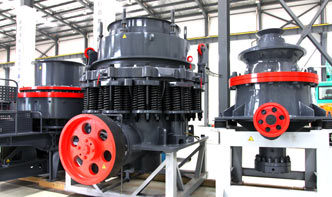
| Cone Crusher | HPT300 | Max feed size: 230mm, Output: 120-400t/h |
| VSI Sand Maker | VSI6X1263 | Capacity: 200-650t/h, Rotor speed: 1000-1700rpm |
| Ball Mill | MQY2740 | Capacity: 15-28t/h, Rotation speed: 21r/min |
Q1: What’s the optimal feed size for iron ore beneficiation?
A: Typically below 25mm after primary crushing for efficient grinding.
Q2: How to reduce over-crushing in sand making?
A: Use multi-stage screening and adjust VSI rotor speed according to material hardness.
Project: Magnetite beneficiation plant in Australia
Capacity: 1.2 million TPY
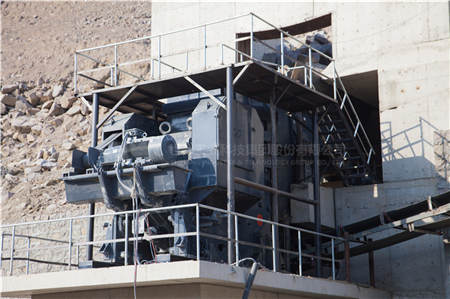
Solution: Three-stage crushing (Jaw + Cone + VSI) + two-stage ball milling + CTS1230 magnetic separator
Result: Iron recovery rate improved from 82% to 91%, concentrate grade reached 65.5% Fe.
Modern plants incorporate dry tailings discharge systems and water