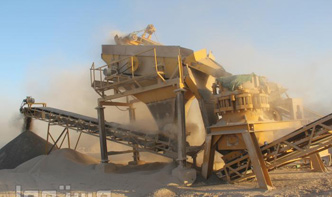
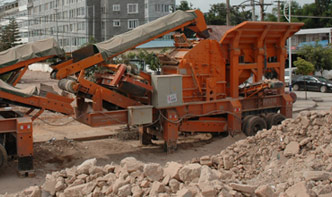
South Africa’s booming construction industry demands high-quality crushed stone and sand aggregates. A jaw crusher serves as the primary crushing unit in most sand and gravel production lines, offering reliable performance in processing hard rocks like granite and basalt.
A complete production line typically includes:
1. Primary Jaw Crusher (PE/PEX Series)
2. Secondary Cone Crusher or Impact Crusher
3. Vibrating Screen
4. Sand Maker (VSI)
5. Belt Conveyors
| Model | Feed Opening(mm) | Max Feed Size(mm) | Capacity(t/h) |
|---|---|---|---|
| PE-400×600 | 400×600 | 340 | 16-64 |
| PE-500×750 | 500×750 | 425 | 40-110 |
| PE-600×900 | 600×900 | 500 | 50-160 |
Q: What’s the service life of jaw plates?
A: Typically 3-6 months depending on material hardness and production volume.
Q: Can jaw crushers process wet materials?
A: Not recommended as it may cause clogging and reduce efficiency.
Q: What maintenance is required?
A: Regular lubrication, tension checks, and wear part inspections.
Location: Johannesburg
Material Processed: Quartzite
Configuration:
– PE-600×900 Jaw Crusher
– HPT300 Cone Crusher
– VSI1140 Sand Maker
Output: 150t/h finished aggregates meeting SANS 1083 standards for concrete production.
For quarry operators seeking efficient primary crushing solutions, selecting the right jaw crusher model based on feed size requirements and production capacity remains crucial for profitable aggregate operations.