Aggregate crushing plants are essential for producing high-quality sand and gravel used in construction, road building, and other infrastructure projects. A well-designed layout ensures efficiency, safety, and optimal material flow. Below is a detailed breakdown of key components and their arrangement.
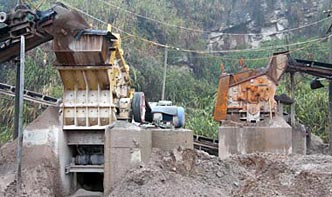
The primary elements of an aggregate crushing plant include:
1. Primary Crusher: Typically a jaw crusher or gyratory crusher reduces large rocks to manageable sizes (150–300 mm).
2. Secondary Crusher: Cone crushers or impact crushers further break down material to 20–50 mm.
3. Tertiary Crusher: Vertical shaft impactors (VSIs) or fine cone crushers produce cubical-shaped aggregates (5–20 mm).
4. Screening Equipment: Vibrating screens separate materials by size (e.g., 3-deck screens for 0–5mm, 5–10mm, 10–20mm fractions).
5. Conveyors: Belt systems transport materials between stages (widths: 650–1400 mm; speed: 1.0–2.5 m/s).
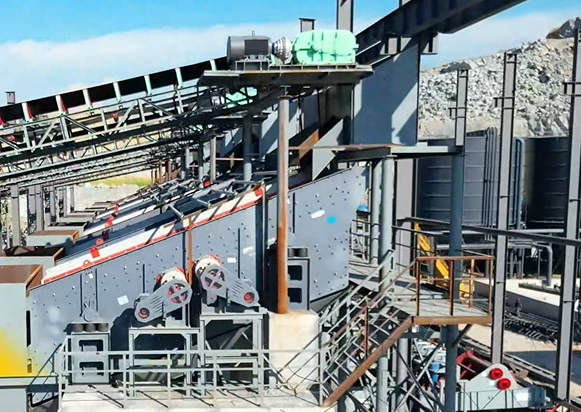
A modular design minimizes space usage and maximizes productivity:
– Feeding Zone: Dump trucks unload into a hopper with a vibrating feeder (capacity: 100–800 TPH).
– Crushing Zone: Crushers are arranged in series or parallel based on output requirements.
– Screening Zone: Screens are placed post-crushing to classify aggregates.
– Stockpiling: Radial stackers or fixed conveyors distribute finished products.
| Equipment | Model | Capacity (TPH) | Power (kW) |
|---|---|---|---|
| Jaw Crusher | PE-600×900 | 50–160 | 75 |
| Cone Crusher | HP300 | 120–250 | 220 |
| VSI Crusher | B7150SE | 100–250 | 250 |