Magnetite iron ore processing involves a series of stages to convert raw ore into high-grade concentrate suitable for steel production. Below is a detailed flow chart and equipment selection guide tailored for crushing and grinding professionals.
1. Primary Crushing:
– Jaw crushers (e.g., PE-900×1200, feed size ≤750mm, capacity 220-450t/h) reduce ore to 150-200mm.
– Grizzly screens remove oversize material.
2. Secondary Crushing & Screening:
– Cone crushers (e.g., HP300, max feed size 230mm, output 30mm) further crush ore.
– Vibrating screens (e.g., 3YK3070, 3 decks) classify material for grinding.
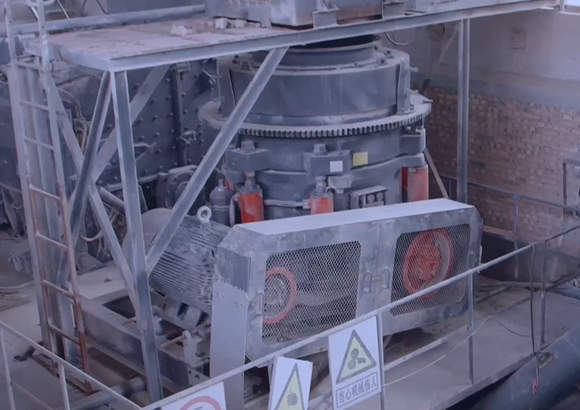
3. Grinding & Classification:
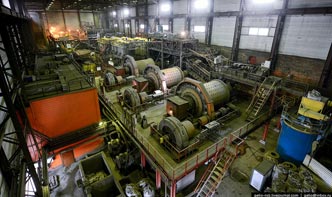
– Ball mills (Φ3.6×6m, capacity 110-140t/h) and hydrocyclones achieve 80% passing 200 mesh.
4. Magnetic Separation:
– Wet drum magnetic separators (CTS-1230, field intensity 1500 Gauss) recover magnetite concentrate (~65% Fe).
5. Tailings Management:
– Thickeners and filter presses (e.g., XMZ500/2000) dewater waste slurry.
| Equipment | Model | Key Parameters | Output Capacity |
|——————–|————-|————————————-|—————–|
| Jaw Crusher | PE-900×1200 | Feed size ≤750mm, CSS 95-165mm | 220-450 t/h |
| Cone Crusher | HP300 | Max feed 230mm, discharge 30mm | 120-200 t/h |
| Ball Mill | Φ3.6×6m | Rotation speed 18rpm, power 850kW | 110-140 t/h |
| Magnetic Separator | CTS-1230 | Field intensity 1500 Gauss | 40-60 t/h |
Q: How to optimize energy consumption in grinding?
A: Use high-pressure grinding rolls (HPGR) before ball mills to reduce power use by 20-30%.