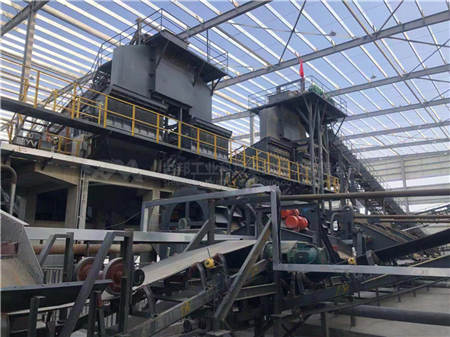
For mining, quarrying, and processing materials like clay and sand, a well-designed crushing and sand-making production line is essential. The system typically includes primary crushing, secondary crushing, sand making, screening, and washing stages to produce high-quality aggregates.
1. Primary Jaw Crusher
– Capacity: 50-800 t/h
– Feed size: ≤1,200 mm
– Power: 55-400 kW
2. Secondary Cone Crusher
– Capacity: 60-700 t/h
– Output size: 10-50 mm (adjustable)
3. Vertical Shaft Impact Crusher (Sand Maker)
– Capacity: 60-520 t/h
– Finished sand: 0-5 mm (controlled gradation)
4. Vibrating Screen
– Layers: 2-4
– Screening efficiency: ≥90%
A typical layout for clay/sand processing includes:
– Primary crushing → Secondary crushing → Sand making → Screening → Washing (optional) → Finished product storage.
For abrasive materials like quartz sand, a log washer or attrition scrubber may be added to remove impurities.
Q1: How to reduce dust in the production line?
A: Install dust covers on transfer points and use spray systems at crusher inlets.
Q2: What’s the lifespan of wear parts in VSI crushers?
A: Tungsten carbide tips last 60-120 hours for abrasive materials; martensitic alloys last longer for softer rocks.
Q3: Can the system produce both coarse aggregates and fine sand?
A: Yes, by adjusting screen decks and crusher settings, you can yield multiple graded products simultaneously.
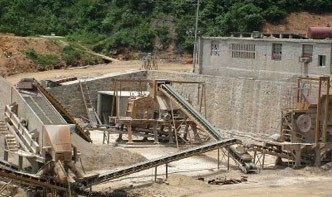
Project: Limestone quarry in Malaysia
Configuration:
– PE900×1200 Jaw Crusher + HST315 Cone Crusher + VSI1145 Sand Maker
Output: 300 t/h (0-5mm sand占40%, 5-20mm aggregate占60%)
Solution: Added a wheel sand washer to improve product cleanliness for concrete applications.