Stone quarry machines are essential equipment for crushing and processing raw materials into aggregates, sand, and gravel. These machines form the backbone of modern construction and infrastructure projects, ensuring high efficiency and consistent output quality.
A typical stone quarry production line includes:
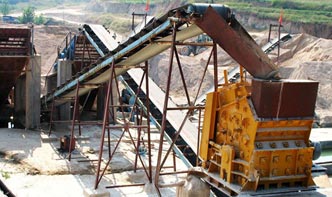
1. Primary Crusher: Jaw crushers (e.g., feed size: ≤1500mm, capacity: 1–2200 t/h) break large rocks into smaller pieces.
2. Secondary Crusher: Cone or impact crushers refine material further (e.g., output size: 20–70mm).
3. Sand Maker: VSI crushers produce finely graded sand (0–5mm) with high cubicity.
4. Vibrating Screens: Multi-deck screens classify materials by size (e.g., 3–4 layers, 15–30° inclination).
| Equipment | Key Parameters |
|---|---|
| Jaw Crusher | Max feed: 1500mm, Power: 110–400kW |
| Cone Crusher | Capacity: 50–1500 t/h, Discharge: 5–60mm |
| VSI Crusher | Output: 30–600 t/h, Rotor speed: 1200–2000 rpm |
A granite quarry in Brazil deployed a 500 t/h line with jaw + cone + VSI configuration, achieving 95% utilization rate and producing ASTM-certified aggregates for highway construction.
Q1: What’s the lifespan of quarry machine wear parts?
A: Mn steel jaws last ~6 months; VSI rotors endure ~800 hours under abrasive conditions.
Q2: How to reduce dust in sand-making processes?
A: Integrate water sprays or bag filters (dust concentration <20 mg/m³).
Q3: Can limestone and basalt be processed together?
A: Yes, but hardness differences may require adjustable crusher settings.