Gypsum rock is widely used in construction, cement production, and agriculture. Efficient mining and processing require specialized crushing and sand-making equipment to produce high-quality aggregates. Below is an overview of key equipment and processes for gypsum rock processing lines.
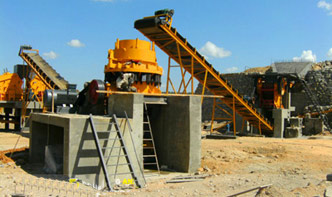
A typical gypsum processing line includes:
1. Primary Jaw Crusher: Reduces large gypsum blocks (<800mm) to medium-sized particles (100-200mm).
– Model: PE600×900
– Feed Size: ≤500mm
– Capacity: 50-160 t/h
2. Secondary Impact Crusher: Further crushes gypsum into smaller pieces (<50mm).
– Model: PF1214
– Feed Size: ≤350mm
– Capacity: 70-130 t/h
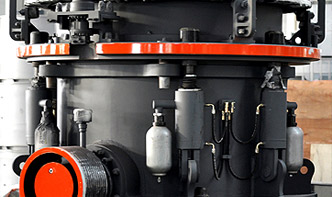
3. Sand Maker (VSI Crusher): Produces fine sand (0-5mm) for high-grade construction use.
– Model: VSI7611
– Feed Size: ≤50mm
– Capacity: 60-180 t/h
4. Vibrating Screen: Separates crushed materials into different sizes.
| Equipment | Model | Max Feed Size | Output Size | Capacity (t/h) | Power (kW) |
|——————–|———-|————–|————|—————|———–|
| Jaw Crusher | PE600×900 | 500mm | 65-160mm | 50-160 | 75 |
| Impact Crusher | PF1214 | 350mm | <50mm | 70-130 | 132 |
| Sand Maker | VSI7611 | 50mm | 0-5mm | 60-180 | 250 |
Q1: What is the moisture tolerance for gypsum crushing?
A: Most crushers handle gypsum with <10% moisture; higher levels may require drying.
Q2: Can gypsum sand replace natural sand in concrete?
A: Yes, processed gypsum sand meets ASTM C33 standards for fine aggregates.