A portable rip rap plant is designed for on-site production of large-sized rocks (rip rap) and aggregates, ideal for erosion control, shoreline protection, and construction projects. Unlike fixed plants, these mobile units offer rapid deployment and flexible operation in remote locations.
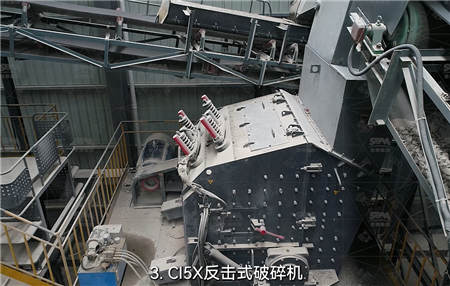
The typical setup includes:
– Primary Jaw Crusher (e.g., 50″x29″ feed opening, 400 HP)
– Heavy-duty Vibrating Grizzly Feeder
– Secondary Cone Crusher (500 HP, adjustable CSS 1″-3″)
– Triple Deck Screen (8’x20′ or 10’x24′)
– Radial Stacking Conveyors (36″-42″ width)
– Hydraulic Folding Mechanism for transport
| Model | Capacity (TPH) | Max Feed Size | Power Requirement |
|---|---|---|---|
| RRP-200 | 200-250 | 30″ | 600 HP Diesel |
| RRP-350 | 350-400 | 36″ | 850 HP Diesel/Electric |
| RRP-500 | 500-550 | 42″ | 1200 HP Electric |
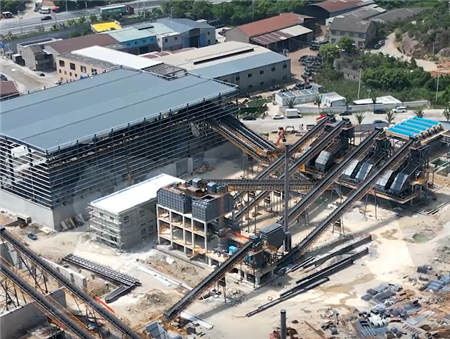
1. Tire or Track Mobility: Enables relocation within hours
2. Crusher Cascade System: Produces precisely graded rip rap (6″-24″)
3. Tier IV Final Engines: Complies with emission standards
4. Screening Efficiency: Up to 95% material classification accuracy
A RRP-350 unit processed limestone at 380 TPH for a 12-mile shoreline project:
– Output: 70% Class III rip rap (9″-15″), 30% bedding stone
– Operational Time: 22 weeks with zero major downtime
– Fuel Consumption: Avg. 22 gallons/hour
Q1: What’s the