Scrubbers play a critical role in sand and aggregate processing, especially when utilizing second-hand mining equipment. These units remove clay, soft stone, and organic impurities from raw materials through vigorous washing and attrition. Refurbished scrubbers offer cost-effective solutions for mid-capacity operations (50-200TPH), with typical feed sizes up to 150mm.
| Model | Capacity (TPH) | Power (kW) | Drum Diameter (m) |
|---|---|---|---|
| TWS T1500 | 50-80 | 55 | 1.5 |
| CDE EvoWash 200 | 100-150 | 90 | 2.0 |
| McLanahan UltraWASH 300 | 180-220 | 132 | 2.4 |
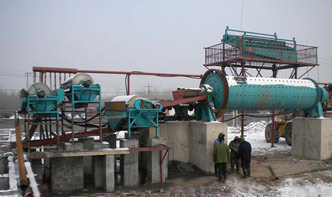
Second-hand scrubbers typically follow primary jaw crushers in sand production lines. The washed output feeds into cone crushers or vertical shaft impactors (VSIs) for final shaping. Proper water recycling systems must be installed – expect 80-90% water reuse efficiency with modern settling ponds or filter presses.
Q: What’s the lifespan of refurbished scrubbers?
A: With proper maintenance, 7-10 years for major components.
Q: How to evaluate wear parts?
A: Check rotor thickness (>60% original), bearing play (<0.5mm), and liner wear patterns.
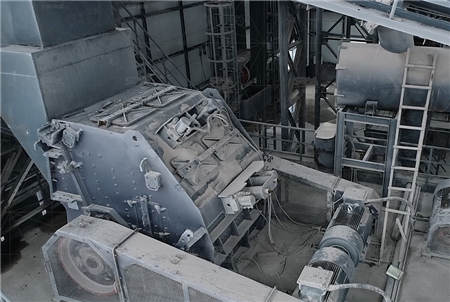
A 2018-refurbished AggreScrub 250 processed 1.2M tons annually:
– Feed: 0-100mm limestone with 15% clay
– Output: ASTM C33 compliant concrete sand
– Water consumption reduced by 40% vs original design through hydrocyclone upgrades