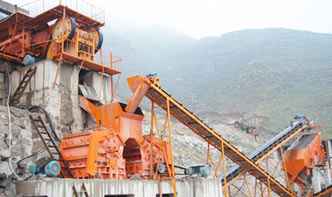
Modern jaw crushers are pivotal in sand and aggregate production, offering high efficiency with adjustable output gradation. Typical production rates range from 50-800 tph, depending on model and feed material hardness. Key models like the C6X Series (160-1,500 tph) and JC Series (85-650 tph) dominate markets with optimized kinematics and heavy-duty structures.
| Model | Feed Opening (mm) | Max Feed Size (mm) | Capacity (tph) | Power (kW) |
|---|---|---|---|---|
| C6X160 | 1,600×1,200 | 1,020 | 500-800 | 160-220 |
| JC110 | 1,100×850 | 700 | 200-450 | 90-110 |
| PE750×1060 | 750×1,060 | 630 | 110-320 | 110-132 |
A typical configuration pairs jaw crushers with cone crushers or impactors for secondary crushing, followed by VSI sand makers for shaping. Vibrating screens (3-4 deck) classify materials into 0-5mm (sand), 5-20mm, and 20-40mm aggregates. Belt conveyors link stages with widths of 650-1,400mm.
Q: How to optimize jaw crusher output?
A: Maintain proper feed size (≤80% of inlet width), check wear parts monthly, and adjust CSS (Closed Side Setting) based on required product size.
Q: What causes uneven jaw plate wear?
A: Typically due to irregular feed distribution or uncalibrated crushing chamber. Use centralized feeding systems and rotate plates periodically.