Efficient railcar discharge systems are critical for handling frac sand in modern aggregate processing plants. These specialized units ensure rapid material transfer while minimizing dust emissions and degradation of high-purity silica sand.
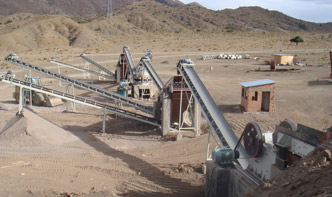
The typical railcar unloading system consists of:
– Vibratory railcar dumpers with 50-100TPH capacity
– Enclosed conveyor systems (24″-36″ belt width)
– Dust collection systems (5,000-10,000 CFM)
– Moisture control gates
– Oversize separation screens (typically 3/8″ mesh)
| Parameter | Standard Specification |
|---|---|
| Max Railcar Capacity | 110 tons |
| Unloading Cycle Time | 15-20 minutes/car |
| Power Requirement | 30-75 HP |
| Dust Control Efficiency | >99% @ 10 microns |
| Material Temperature Limit | -40°F to 150°F (-40°C to 65°C) |
The discharge equipment connects directly to:
1. Primary screening stations
2. Rotary dryers (for moisture control)
3. Storage silos (typically 500-1,000 ton capacity)
4. Truck loading systems
Q: What’s the minimum curve radius for conveyor routing?
A: Minimum 150′ radius is recommended for belt conveyors carrying frac sand.
Q: How to prevent material bridging during winter?
A: Heated vibrators and insulated chutes maintain material flow below freezing temperatures.
A recent installation features:
– Dual railcar unloading stations
– 36″ wide heavy-duty conveyors
– Automated weighing system
Achieving consistent 80TPH discharge rate with less than 0.5% material loss during transfer. The system processes 12,000 tons/day feeding three parallel drying lines.