Jaw crushers serve as primary crushing units in sand and aggregate production lines, processing raw materials like granite, basalt, and limestone into coarse aggregates. Their robust construction and high reduction ratio (typically 6:1 to 8:1) make them indispensable for hard rock applications.
| Model | Feed Opening (mm) | Max Feed Size (mm) | Capacity (t/h) | Power (kW) |
|---|---|---|---|---|
| PE-400×600 | 400×600 | 340 | 16-64 | 30 |
| PE-750×1060 | 750×1060 | 630 | 110-320 | 110 |
| PE-1200×1500 | 1200×1500 | 1020 | 400-800 | 160-220 |
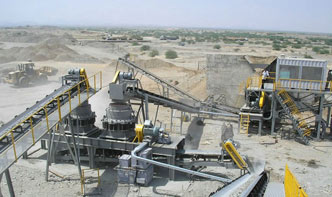
Raw material → Vibrating feeder → Jaw crusher (primary crushing) → Cone/impact crusher (secondary crushing) → Vibrating screen → Sand maker → Finished products. The closed-circuit design allows oversized materials to return for re-crushing.
Q: How to reduce jaw plate wear?
A: Maintain proper feed size (<85% of crusher opening), avoid metallic contaminants, and regularly check plate alignment.
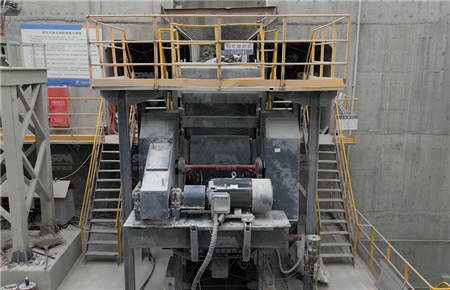
Q: What causes excessive vibration?
A: Typically due to loose foundation bolts, uneven wear of jaw plates, or unbalance in flywheel/pulley.
A Malaysian quarry processed 500tph granite using PE-900×1200 jaw crusher + HST315 cone crusher configuration. Final output achieved 0-5mm (30%), 5-10mm (25%), 10-20mm (20%), and 20-31.5mm (25%) with <3%