Portable gold screening equipment is revolutionizing sand and gravel production lines by offering mobility and efficiency. These systems integrate crushing, screening, and material handling functions to process raw ore or demolition waste into high-quality aggregates (0-5mm, 5-20mm, 20-40mm).
1. Jaw Crusher: Primary reduction (Feed size: ≤800mm, Output: 50-200mm)
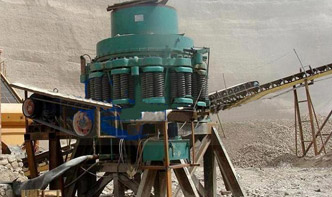
2. Cone Crusher: Secondary crushing (Capacity: 50-500t/h)
3. Vibrating Screen: Multi-deck classification (Layer: 2-4, Mesh: 3-80mm)
4. Portable Screening Plant: Track-mounted with diesel-electric power
| Model | Screening Area (m²) | Capacity (t/h) | Power (kW) |
|---|---|---|---|
| GS100 | 3.5 | 80-150 | 22 |
| GS200 | 6.0 | 150-300 | 37 |
| GS300 | 9.0 |
A Western Australia operation achieved 120tph gold-bearing gravel processing using:
– Mobile jaw crusher (MC110Z)
– Two-stage vibrating screens
– Gold recovery trommel
Production increased by 40% compared to fixed plant configuration.
Q1: What’s the minimum gold particle size detectable?
A: Modern screens can recover particles ≥0.074mm (200 mesh).
Q2: How to prevent screen clogging?
A: Use polyurethane mats with self-cleaning design and adjustable vibration frequency.
Q3: Typical lifespan of screen panels?
A: 3-6 months for abrasive materials, extendable with proper maintenance.
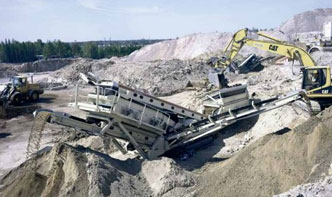
Latest models feature:
– Flip-flow screens for sticky materials