# Optimizing Crusher Screen Performance in Recycling Plants
## Introduction
In modern recycling plants, crusher screens play a critical role in ensuring efficient material separation and product quality. As a key component in aggregate and sand production lines, selecting the right screen configuration directly impacts throughput, particle size distribution, and overall operational costs.
This article explores the technical aspects of crusher screens in recycling applications, including design considerations, performance parameters, and real-world engineering solutions.
—
## Core Functions of Crusher Screens
Crusher screens are responsible for:
– Material Classification – Separating crushed aggregates into specified size fractions
– Oversize Control – Returning oversized materials for re-crushing
– Undersize Removal – Eliminating fines to improve product quality
– Throughput Optimization – Maximizing processing capacity while minimizing bottlenecks
Key Screen Types Used in Recycling Plants
| Screen Type | Best Application | Advantages | Limitations |
|————|——————|————|————-|
| Vibrating Screens | High-capacity primary screening | Robust construction, adjustable amplitude | Higher power consumption |
| Trommel Screens | Wet or sticky materials | Effective for contaminated feed | Lower screening efficiency |
| Flip-Flow Screens | Fine material separation (<5mm) | Handles sticky or fibrous waste | Higher maintenance requirements |
| Static Grizzly Screens | Pre-screening before primary crushers | No power needed, simple structure | Limited sizing precision |
—
## Technical Specifications & Selection Criteria
When selecting a crusher screen for recycling operations, consider these critical parameters:
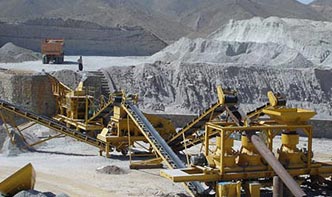
Performance Parameters Table
| Parameter | Typical Range | Impact on Operation |
|———–|————–|———————-|
| Screening Area (m²) | 4–30+ | Determines maximum feed rate |
| Mesh Size (mm) | 3–150+ controls final product gradation |
| Vibration Frequency (rpm) 600–1,200 affects material stratification |
| Deck Angle (°) 15–25 influences material travel speed |
| Drive Power (kW) 7.5–75 depends on screen size & load |
Additional selection factors:
– Feed material characteristics (abrasiveness, moisture content)
– Required capacity (TPH)
– Installation constraints (headroom limitations)
– Maintenance accessibility
—
## Common Challenges & Solutions
Problem 1: Premature Wear on Screen Media
Cause: Highly abrasive materials like concrete rubble
Solution: Use polyurethane or rubber-lined