The hydraulic circuit is the backbone of modern rock crushers, ensuring efficient power transmission, overload protection, and precise control. In sand and aggregate production lines, hydraulic systems enable crushers like cone crushers and jaw crushers to handle varying feed sizes while maintaining optimal performance.
1. Hydraulic Pump: Delivers oil flow (typically 50–300 L/min) at pressures up to 350 bar.
2. Cylinders: Adjust crusher settings (e.g., CSS in cone crushers) with forces up to 500 kN.
3. Accumulators: Absorb shock loads during uncrushable material entry (e.g., tramp iron).
4. Valves: Proportional valves enable real-time adjustments (±0.1 mm precision).
| Parameter | Specification |
|———————|—————————————-|
| Pump Flow Rate | 120 L/min @ 250 bar |
| CSS Adjustment Range| 8–38 mm |
| Tramp Release Time | <0.5 sec |
| Oil Capacity | 200–400 L (depends on model) |
Q1: Why does the crusher shut down unexpectedly?
*A: Check pressure relief valves—often triggered by contamination (>10 μm particles) or low oil levels.*
Q2: How to reduce hydraulic oil overheating?
*A: Ensure heat exchangers are clean and use ISO VG 68 oil with a viscosity index >100.*
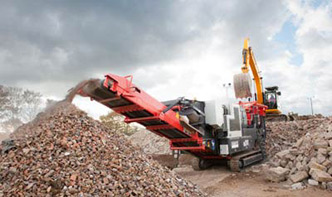
Project: Granite crushing plant in Canada (500 TPH output)
Issue: Frequent hydraulic leaks caused downtime (~3 hours/week).
Solution: Upgraded hose fittings to SAE J517 standards and implemented a filtration system (βₙ≥200). Resulted in zero leaks over 6 months.
For optimal performance, integrate IoT sensors to monitor pressure/temperature trends—reducing unplanned stops by up to 30%. Always prioritize OEM-recommended maintenance intervals for hydraulic components.