For small-scale construction projects or laboratory applications, a compact grinder designed for soils and rocks offers an ideal solution. These units typically process 5-30TPH, producing 0-10mm aggregates suitable for concrete mixtures or road base materials.
| Model | Power (kW) | Feed Size (mm) | Output Size (mm) | Capacity (TPH) |
|---|---|---|---|---|
| SGR-150 | 15 | ≤50 | 0-5 adjustable | 5-8 |
| SGR-300 | 30 | ≤80 | 0-10 adjustable | 12-15 |
| SGR-500 | 55 | ≤100 | 0-15 adjustable | 20-30 |
Modern small grinders often incorporate a closed-circuit design with built-in screening:
1. Primary jaw crusher reduces large rocks to ≤100mm
2. Hammer mill/impact crusher finely grinds material
3. Vibrating screen separates finished product
4. Return conveyor handles oversize material
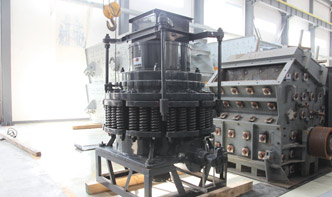
Tanzania Rural Road Project:
Used SGR-300 units to process local basalt into 0-10mm aggregate for 50km of gravel roads. Achieved 95% passing rate on sieve analysis.
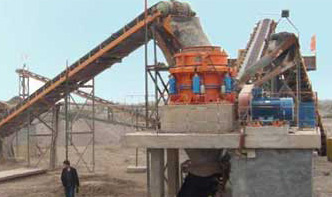
Arizona Soil Testing Lab:
Deployed SGR-150 for preparing homogeneous soil samples with precise particle size distribution control (±0.5mm accuracy).
Q: What maintenance intervals are recommended?
A: Lubricate bearings every 200 hours; replace hammers every 800-1,000 hours depending on material hardness.
Q: Can it handle wet clay soils?
A: Models with special alloy hammers and larger discharge openings can process materials with ≤25% moisture content.
Q