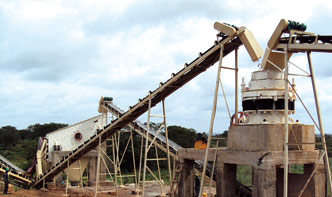
For small-scale quarrying or recycling operations, a compact jaw crusher offers an efficient entry point into aggregates processing. These units typically handle 1-50TPH capacity, ideal for producing 10-40mm graded stone chips or sand feedstock when paired with auxiliary equipment.
A basic setup includes:
– Primary Jaw Crusher (e.g., PE250×400 model)
– Vibrating Screen (2YK1230 type)
– Belt Conveyors (B500 width)
– Optional: Hammer crusher for sand shaping
| Model | Feed Size(mm) | Discharge(mm) | Power(kW) |
|---|---|---|---|
| PE150×250 | 125 | 10-40 | 5.5 |
| PE250×400 | 210 | 20-80 | 15 |
| PE400×600 | 340 | 40-100 | 30 |
Critical factors include material hardness (Mohs scale), required product gradation, and site power limitations. For limestone processing, manganese steel jaws with 12% Mn content typically achieve 500+ hours wear life at medium hardness crushing.
A recent Philippines project processed river pebbles into construction sand using:
1. PE250×400 jaw crusher (25t/h)
2. Two-deck vibrating screen
3. Sand washer system
Achieved output: 18t/h of ASTM C33-compliant sand.
Q: Can small jaw crushers handle granite?
A: Yes, but recommend models ≥PE400×600 with hardened jaws for abrasive materials.
Q: Minimum required clearance height?
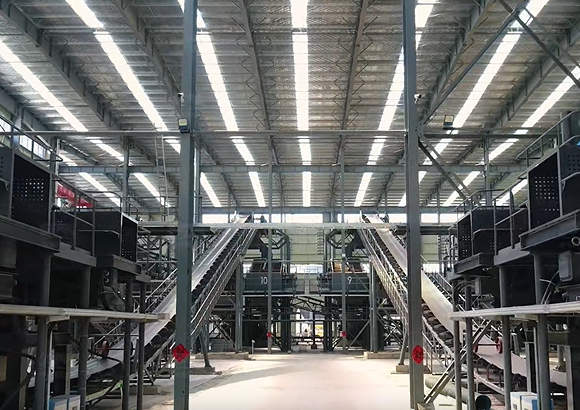
A: Most compact units need ≤3m vertical space including feeder.
Q: Typical liner replacement frequency?<br