Modern aggregate wash plants are critical in producing high-quality sand and gravel for construction. These systems combine crushing, screening, and washing to remove impurities and achieve precise gradation.
A typical setup includes:
– Primary Jaw Crusher (e.g., 400×600mm feed opening)
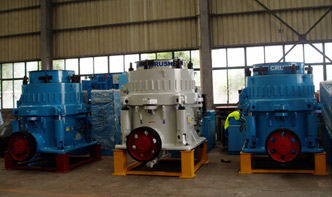
– Secondary Cone Crusher (e.g., HP300 with 220kW motor)
– Vibrating Screen (3-4 deck, 6×1.8m dimensions)
– Sand Washer (100tph capacity, 11kW motor)
– Hydrocyclone unit (Φ500mm diameter)
| Component | Key Parameter |
|---|---|
| Feed Hopper | 15m³ capacity |
| Conveyor Belt | B1000×15m, 1.5m/s speed |
| Screw Washer | Φ1500×6000mm, 45tph output |
| Water Consumption | 50-100m³/hour |
Q: What’s the minimum required water pressure?
A: Typically 0.3-0.5MPa for effective material separation.
Q: How to reduce clay content?
A: Add a log washer or attrition scrubber before final washing.
Q: Typical production output?
A: Ranges from 50tph for compact plants to 500tph for large operations.
A Malaysian contractor processed river gravel using:
– Primary screening with 40mm trommel
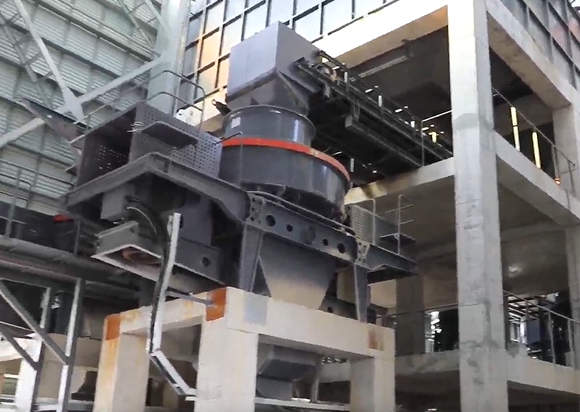
– Tertiary crushing with VSI crusher
– Dual sand recovery cyclones
Achieved:
– Final product: 0-5mm sand (≤1.0)
– 5-20mm aggregate (flakiness <15%)
– Production rate: 180tph sustained
Proper equipment selection ensures optimal particle shape and cleanliness while minimizing water and energy consumption throughout the washing process.