The Akaki aggregate crushing plant in Ethiopia is designed to produce high-quality sand and gravel for construction projects. The plant typically includes primary crushing, secondary crushing, screening, and sand-making stages to meet various aggregate specifications.
1. Primary Jaw Crusher – Processes large raw stones (e.g., granite, basalt) into smaller pieces (150–300mm).
– Model: PE600×900
– Capacity: 50–160 t/h
– Motor Power: 55–75 kW
2. Secondary Cone Crusher – Further crushes materials into 20–50mm sizes.
– Model: CS75 / HPT200
– Capacity: 45–90 t/h
– Motor Power: 75–90 kW
3. Vibrating Screen – Separates aggregates into different sizes (0–5mm, 5–10mm, 10–20mm).
– Model: 3YK1860
– Screen Layers: 3
– Processing Capacity: 50–300 t/h
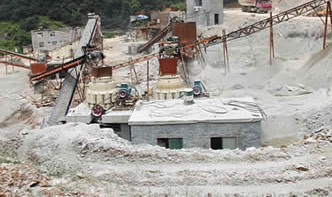
4. Sand Maker (VSI Crusher) – Produces fine sand (0–5mm) for concrete or asphalt.
– Model: VSI7611 / VSI5X1145
– Capacity: 60–180 t/h
– Motor Power: 110–220 kW
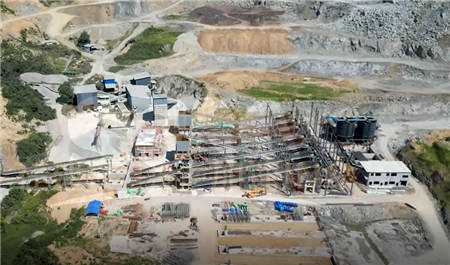
Q1: What is the expected output of the Akaki plant?
A: Depending on configuration, it can produce 100–300 tons per hour of mixed aggregates.
Q2: How is dust controlled?
A: Dust suppression systems (water spray or bag filters) are integrated into the crushing line.
Q3: Can the plant handle wet materials?
A: Yes, but screening efficiency may decrease; pre-drying or adjusted screen angles are recommended.
A similar project in Addis Ababa utilized a two-stage crushing setup (jaw + cone crushers) with a sand maker to supply aggregates for road construction. The final products met ASTM C33 standards with <5% silt content in manufactured sand.