Modern sand and aggregate production lines increasingly adopt electrically operated jaw crushers for their efficiency, environmental compliance, and space-saving design. These compact units typically feature 15-50kW motors, processing capacities of 30-150tph, and feed sizes up to 350mm – making them ideal for medium-scale operations.
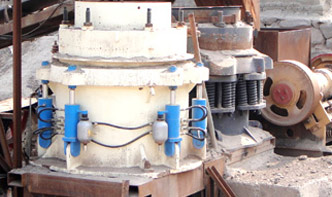
| Model | Feed Size (mm) | Capacity (tph) | Motor Power (kW) |
|---|---|---|---|
| EJ-400 | 350 | 50-80 | 30 |
| EJ-600 | 500 | 100-150 | 55 |
| EJ-250 | 210 | 30-50 | 15 |
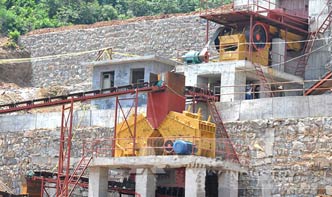
These electric crushers typically serve as primary or secondary crushing units in sand-making plants. When paired with vibrating feeders, cone crushers, and vertical shaft impactors (VSIs), they form complete processing circuits producing precisely graded aggregates (0-5mm, 5-10mm, 10-20mm).
Q: What’s the maintenance interval?
A: Lubrication points require attention every 200 hours; jaw plate inspection every 500 hours.
Q: Can it process wet material?
A: Limited to surface moisture <10%; sticky materials require pre-screening.
Q: Noise levels?
A: Typically <75dB with proper sound enclosures.
A quarry near Dodoma implemented two EJ-400 units feeding a VSI system, achieving:
– 120tph combined output
– 25% energy savings vs diesel alternatives
– Product meeting BS EN 12620 standards
The installation required only 6m x 4m footprint per crusher station.