Rock phosphate, a key raw material for fertilizer production, requires specialized grinding and processing equipment to achieve optimal particle size. Its availability varies by region, with major deposits in Morocco, China, and the US. Efficient processing demands robust crushing and milling systems tailored to its abrasive nature.
A typical production line includes:
1. Primary Jaw Crusher: Reduces large chunks to ~150mm.
– Model: JC4430 | Feed Size: 1,100×850mm | Capacity: 250-700 t/h
2. Secondary Cone Crusher: Further crushes to ≤50mm.
– Model: HPT300 | Max Feed: 230mm | Capacity: 120-400 t/h
3. Ball Mill/Vertical Roller Mill: Fine grinding to 80-200 mesh.
– Model: LM190K | Power: 450kW | Output: 10-50 t/h
| Equipment | Output Size (mm) | Capacity (t/h) | Power (kW) |
|——————–|——————|—————-|————|
| Jaw Crusher | 150-300 | 250-700 | 160-400 |
| Cone Crusher | 20-50 | 120-400 | 220-315 |
| Vertical Roller Mill | 0.075-0.2 | 10-50 | 450-800 |
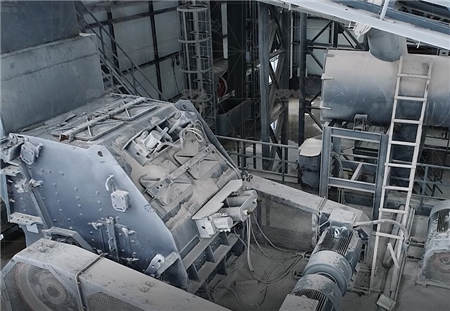
Q1: How to reduce wear in rock phosphate grinding?
A1: Use high-chrome alloy liners and optimize moisture content (<5%).
Q2: What’s the ideal fineness for fertilizer use?
A2: Typically 80% passing 100 mesh (0.15mm).
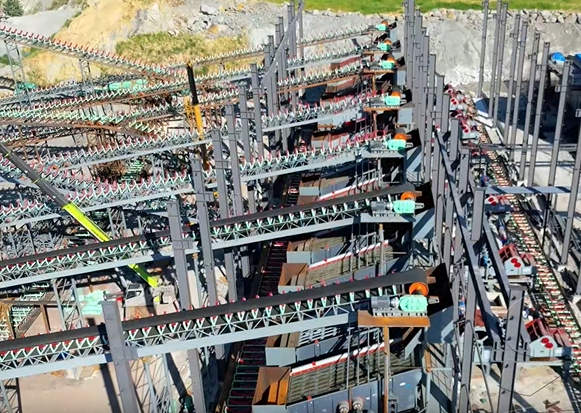
Project: Morocco Rock Phosphate Plant
Solution: Two-stage crushing (JC4430 + HPT300) + LM190K mill. Achieved 98% passing 200 mesh with <3% downtime/month.